
Vintage fashion has a unique ability to bring personality, character, and timeless charm to modern wardrobes. Instead of completely copying the clothing styles of a particular decade, today’s fashion allows you to take inspiration from the past and combine it with contemporary pieces. A vintage-inspired outfit can feel nostalgic without looking outdated, especially when retro garments are balanced with modern silhouettes and simple everyday essentials.
Adding vintage style to your wardrobe does not require replacing everything you already own. In fact, the easiest approach is to introduce a few carefully selected retro elements into outfits you already feel comfortable wearing. Vintage denim, classic jackets, patterned shirts, old-school footwear, structured bags, and statement accessories can all add character without making your outfit look like a costume. The key is finding the right balance between nostalgia and modern fashion.
What Is Vintage Fashion?
Vintage fashion generally refers to clothing and accessories associated with earlier periods of fashion. These pieces may come directly from past decades or may simply be inspired by historical styles. The term can include everything from 1920s-inspired silhouettes to 1970s denim, 1980s tailoring, and 1990s casual clothing.
Vintage fashion is different from simply wearing old clothes. The goal is often to appreciate the design, craftsmanship, colors, fabrics, and silhouettes associated with earlier eras. Modern styling gives these elements a fresh context, making them easier to wear in everyday life.
Vintage vs. Retro Fashion
Although the terms are often used together, vintage and retro have slightly different meanings. Vintage usually refers to authentic older garments, while retro often describes new clothing designed to resemble styles from the past.
Both approaches can work beautifully. Authentic vintage pieces may offer unique details and materials, while modern retro-inspired clothing can provide updated fits, easier sizing, and contemporary comfort.
Why Vintage Style Remains Popular
Vintage-inspired fashion continues to influence modern clothing because many older designs have distinctive character. Certain silhouettes, patterns, and materials can immediately create a recognizable aesthetic.
Vintage fashion also allows people to move away from overly predictable trends. Instead of buying exactly what is currently popular, you can build a wardrobe around pieces that reflect your individual taste.
Start With One Vintage-Inspired Piece
The easiest way to introduce retro style is to begin with one noticeable vintage element. This could be a denim jacket, patterned shirt, leather-style bag, classic watch, or pair of retro sneakers.
Wearing one statement piece with modern basics keeps the outfit balanced. For example, a vintage-style jacket can be combined with a plain T-shirt, contemporary jeans, and clean sneakers. The result feels inspired by the past without looking completely historical.
Avoid Dressing in One Era From Head to Toe
Wearing several pieces from the same historical period can sometimes make an outfit appear more like a costume than everyday fashion. This is especially true when the garments have strong period-specific details.
Instead, choose one or two retro elements and combine them with modern clothing. This creates contrast and makes the vintage pieces feel intentional.
Build a Vintage Color Palette
Color plays a major role in creating a vintage-inspired appearance. Depending on the decade you prefer, you might use muted earth tones, deep browns, mustard, olive, cream, navy, burgundy, faded blue, or classic black and white.
You do not need to restrict your entire wardrobe to these colors. Instead, use them as accents within modern outfits. A vintage-inspired color palette can make even simple clothing feel more nostalgic.
Use Muted Colors for Subtle Retro Style
Muted colors are often easier to incorporate into modern wardrobes than extremely bright shades. A faded blue denim jacket, cream sweater, brown trousers, and simple sneakers can create a subtle retro appearance.
These colors also work well together, allowing you to build outfits that look coordinated without becoming overly themed.
Add One Strong Accent Color
If you prefer a more noticeable vintage aesthetic, introduce one stronger color. A burgundy jacket, mustard sweater, forest-green shirt, or rust-colored accessory can become the focal point of an outfit.
Keep the surrounding pieces relatively neutral so the accent color remains intentional rather than competing with the rest of the outfit.
Vintage Denim
Denim is one of the easiest ways to introduce vintage style into a modern wardrobe. Classic blue jeans, denim jackets, denim shirts, and denim skirts have remained relevant across multiple generations.
Vintage-inspired denim often features relaxed silhouettes, faded washes, high-rise designs, or heavier fabrics. These characteristics can create an old-school appearance while remaining easy to combine with contemporary clothing.
Choose Classic Denim Washes
Medium blue and faded denim are particularly useful for vintage-inspired outfits. Pair them with plain T-shirts, knit sweaters, casual shirts, or modern footwear.
Dark denim can create a more refined retro appearance, while heavily faded denim produces a more relaxed and nostalgic look. Choose the wash based on how noticeable you want the vintage influence to be.
Try Vintage-Inspired Denim Jackets
A classic denim jacket can become one of the most versatile retro pieces in your wardrobe. Wear it over a T-shirt and trousers for a simple everyday look or layer it over a sweater during cooler weather.
For a modern approach, avoid making every other item vintage-inspired. A contemporary pair of trousers or clean sneakers can provide enough contrast.
Retro Shirts and Blouses
Shirts and blouses are another excellent way to introduce vintage style. Depending on the decade, you can explore floral patterns, geometric prints, stripes, camp collars, textured fabrics, or classic button-down silhouettes.
A patterned shirt can immediately become the focal point of an outfit. To keep the look modern, combine it with simple trousers or jeans and understated accessories.
Camp-Collar Shirts
Camp-collar shirts have a relaxed shape and are strongly associated with various mid-century and later casual styles.
Wear one with straight-leg trousers, jeans, or tailored shorts. Simple footwear keeps the outfit contemporary while allowing the shirt to provide the retro character.
Vintage-Inspired Blouses
For a softer vintage aesthetic, look for blouses with interesting collars, subtle prints, textured fabrics, or classic silhouettes. These can be paired with modern jeans or trousers to create a balanced look.
You can also use a vintage-style blouse beneath a contemporary blazer. This combination brings together feminine or retro details with modern structure.
Retro Jackets and Outerwear
Outerwear can dramatically change the personality of an outfit. Bomber jackets, varsity-inspired jackets, trench coats, leather-style jackets, chore coats, and structured wool coats can all contribute to a vintage-inspired wardrobe.
Choose outerwear based on the era or aesthetic you enjoy rather than trying to collect every historical style. One excellent jacket can provide more versatility than several pieces that rarely work with your existing clothes.
Classic Leather-Style Jackets
A simple leather-style jacket can create a timeless retro feeling. Black and brown versions work particularly well with jeans, trousers, boots, and plain shirts.
For a modern interpretation, choose a relatively clean silhouette rather than one overloaded with decorative hardware. This makes the jacket easier to wear with contemporary clothing.
Trench and Structured Coats
Long structured coats can add an elegant vintage influence to everyday outfits. A trench coat over jeans and a sweater creates a sophisticated contrast between classic and casual clothing.
These coats can also work with formal outfits, making them useful beyond purely vintage-inspired looks.
Vintage Footwear
Shoes are one of the easiest ways to introduce retro character without changing your entire outfit. Retro sneakers, loafers, boots, Mary Jane-style shoes, classic leather shoes, and simple canvas footwear can all contribute to different vintage aesthetics.
The right footwear can also help connect modern clothing with an older-inspired piece. For example, contemporary jeans and a simple T-shirt can instantly feel more retro when paired with classic-looking sneakers.
Choose Simple Retro Shoes
You do not need extremely unusual footwear to create vintage influence. Classic shapes and understated materials are often enough.
White or cream sneakers, brown loafers, leather boots, and canvas shoes can work across many outfits. Their versatility allows you to experiment without making every outfit feel strongly themed.
Vintage Accessories
Accessories are a low-risk way to experiment with vintage fashion. Watches, sunglasses, belts, scarves, hats, bags, jewelry, and hair accessories can add retro details without dramatically changing your clothing.
Because accessories are smaller, they allow you to control how much vintage influence appears in your outfit. A classic watch may create a subtle reference to the past, while a bold patterned scarf can become a much stronger statement.
Try Retro Sunglasses
Sunglasses can instantly change the character of an outfit. Different frame shapes can create different historical associations, from classic rounded designs to angular styles.
Choose a shape that complements your face and personal style rather than selecting sunglasses solely because they look vintage. The best accessory is one you will actually wear regularly.
Use Vintage Bags
Structured handbags, leather satchels, canvas bags, and classic shoulder bags can all contribute to a retro-inspired wardrobe. A vintage-style bag can make a simple modern outfit feel much more distinctive.
For everyday use, prioritize practical size and comfort. A beautiful bag that cannot hold your essentials will quickly become impractical.
Mixing Vintage With Modern Basics
One of the most effective vintage styling techniques is combining old-inspired pieces with modern basics. This creates contrast and prevents the outfit from feeling like a complete recreation of another era.
For example, pair a vintage-inspired printed shirt with contemporary straight-leg trousers and minimalist shoes. Alternatively, wear a vintage denim jacket over a modern knit top and clean sneakers.
Use Modern Fits to Update Retro Pieces
If you find a vintage garment with a very dramatic or unusual silhouette, combine it with simpler contemporary pieces. Modern trousers, plain T-shirts, streamlined footwear, or minimalist accessories can help balance the outfit.
This technique allows you to enjoy the character of vintage clothing without feeling uncomfortable or overly dressed.
Vintage Fashion for Casual Outfits
Casual outfits are an easy place to introduce retro influences. Jeans, T-shirts, overshirts, sneakers, denim jackets, sweaters, and casual trousers can all support vintage-inspired styling.
A faded denim jacket with a plain T-shirt and straight-leg jeans is a classic example. You can modernize it with clean sneakers and a contemporary bag.
Build a Simple Weekend Look
For a relaxed weekend outfit, try a vintage- style graphic T-shirt with straight-leg jeans and retro sneakers. Add a lightweight jacket if needed.
Another option is a patterned shirt over a plain T-shirt with relaxed trousers. Keep the accessories simple so the outfit remains comfortable and practical.
Vintage Fashion for Smart-Casual Outfits
Vintage pieces can also work in smarter outfits. Tailored trousers, knit polos, loafers, structured jackets, and classic shirts can create a sophisticated retro appearance.
A modern blazer paired with vintage-inspired trousers or a classic knit can provide a subtle historical influence. The goal is to maintain clean tailoring while adding distinctive details.
Combine Tailoring With Retro Details
A vintage-style knit polo under a contemporary blazer can create a polished but relaxed outfit. Similarly, high-rise trousers with a modern shirt can produce a subtle retro silhouette.
Avoid combining too many highly recognizable period details at once. One or two references are usually enough.
Vintage Fashion for Women
Women can incorporate vintage influences through dresses, skirts, blouses, denim, trousers, coats, footwear, and accessories. The possibilities range from subtle retro details to strongly nostalgic outfits.
A vintage-inspired floral dress can be paired with contemporary sneakers or a modern jacket. Likewise, high-waisted jeans can be worn with a simple fitted top and contemporary footwear.
Mix Feminine and Casual Elements
A vintage-inspired skirt with a simple modern T-shirt can create a relaxed and stylish combination. Add sneakers or boots to make the outfit more contemporary.
For a more polished look, combine a retro blouse with tailored trousers and understated accessories. This keeps the vintage influence while maintaining a modern silhouette.
Vintage Fashion for Men
Men can introduce retro style through denim, workwear-inspired jackets, knitwear, shirts, trousers, boots, sneakers, and accessories.
A classic combination might include straight-leg jeans, a tucked button-down shirt, leather-style belt, and loafers. For a more casual look, replace the loafers with retro sneakers and add a denim jacket.
Try High-Rise Trousers
High-rise trousers can create a classic silhouette and pair well with tucked shirts and knitwear. Choose a modern fabric or cleaner cut if you want the outfit to feel less historical.
Pleated trousers can also add vintage character. Balance them with a simple top and contemporary footwear to keep the overall look fresh.
Vintage Fashion by Decade
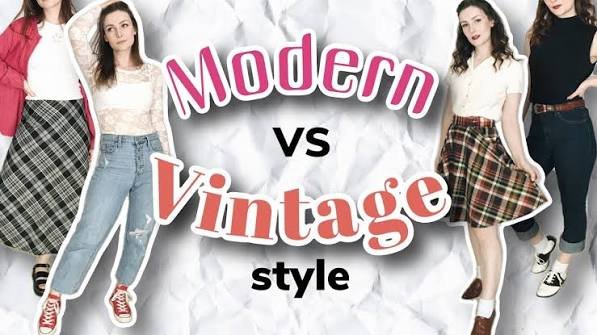
Different decades offer different sources of inspiration. The 1950s are associated with structured silhouettes and classic casualwear, while the 1960s introduced bold patterns and modern shapes.
The 1970s are known for earthy colors, flared trousers, denim, and expressive prints. The 1980s brought stronger tailoring and bold proportions, while the 1990s popularized relaxed denim, minimalism, and casual streetwear.
Choose One Decade as Inspiration
You do not need to follow an entire decade. Pick one or two details that appeal to you.
For example, you might borrow 1970s-inspired denim, 1980s tailoring, or 1990s relaxed jeans while keeping the rest of the outfit completely contemporary.
Shopping for Vintage Clothing
Shopping for authentic vintage clothing can be exciting because each piece may have its own history and character. Thrift stores, vintage boutiques, secondhand marketplaces, and clothing swaps can all provide opportunities to find distinctive items.
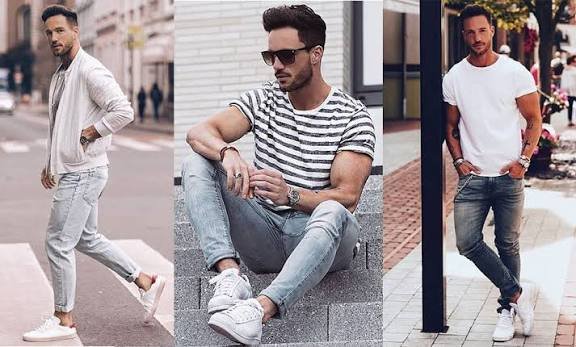
However, vintage shopping requires patience. Sizes may differ from modern sizing, fabrics may show wear, and some garments may require repairs or alterations.
Check Quality Before Buying
Inspect seams, buttons, zippers, hems, lining, and fabric condition before purchasing vintage clothing. Small signs of wear can be acceptable, but major structural damage may make the garment difficult to use.
Also consider whether the piece works with clothing you already own. A unique item is only valuable to your wardrobe if you can realistically style and wear it.
How to Avoid Looking Overly Themed
The biggest challenge with vintage fashion is maintaining a modern appearance. Wearing too many period-specific pieces at once can make an outfit look like historical costume rather than everyday fashion.
The solution is contrast. Pair a vintage item with something modern, keep accessories controlled, and use contemporary grooming and footwear when appropriate.
Follow the One-Statement Rule
Choose one main vintage statement piece and allow the rest of the outfit to support it. This could be a patterned jacket, retro dress, vintage denim, or distinctive accessory.
If you want more than one vintage element, make sure the pieces are subtle enough to complement each other. The outfit should look cohesive rather than themed.
Vintage Fashion on a Budget
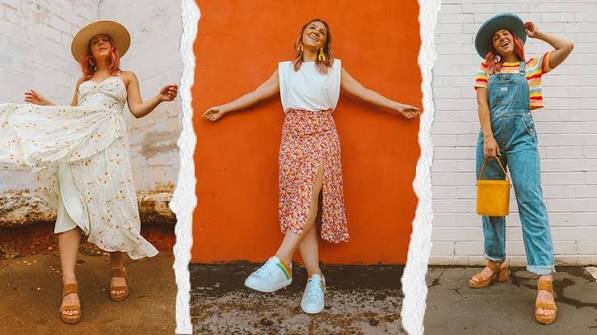
You do not need expensive authentic vintage clothing to develop a retro wardrobe. Modern secondhand stores and affordable retailers often carry pieces with vintage-inspired silhouettes and details.
Start by looking at what you already own. Older denim, simple sweaters, classic shirts, and neutral jackets may already fit into a vintage-inspired wardrobe with different styling.
Buy Fewer, Better Pieces
Instead of purchasing many retro garments, invest in versatile pieces that you can wear regularly. A quality jacket, pair of jeans, or classic shoes can become the foundation of numerous outfits.
This approach also makes your wardrobe easier to manage. Every new vintage-inspired piece should ideally work with several existing garments.
Sustainable Benefits of Vintage Style
Vintage and secondhand fashion can encourage a more thoughtful approach to clothing. Reusing existing garments gives them another life and can reduce the pressure to constantly purchase new trend-based pieces.
Vintage shopping can also encourage people to value durability and craftsmanship. When you choose a well-made garment that can be worn for years, the focus shifts from short-lived trends to long-term personal style.
Repair and Rewear
Small repairs can extend the life of older clothing. Replacing buttons, repairing seams, adjusting hems, or refreshing certain garments can make them useful again.
Instead of immediately discarding a vintage-inspired piece because it has minor damage, consider whether a simple repair could restore it. This can also make your wardrobe more personal.
Common Vintage Styling Mistakes
One common mistake is assuming that every vintage-inspired outfit needs dramatic patterns or historical silhouettes. Subtle vintage details can often create a more wearable result.
Another mistake is ignoring fit. Even an authentic vintage garment can look awkward if the proportions do not work for you. Alterations or thoughtful styling can make a major difference.
Choosing Trends Instead of Personal Style
Vintage fashion is broad enough that you do not need to follow every retro trend. Choose the decades, colors, fabrics, and silhouettes that genuinely appeal to you.
Your wardrobe should reflect your personality rather than becoming a collection of historical references. The best vintage-inspired outfits feel natural because they are adapted to the person wearing them.
Building a Modern Vintage Wardrobe
A modern vintage wardrobe can start with a few versatile essentials. Consider straight-leg jeans, a denim jacket, a classic shirt, a neutral sweater, retro-inspired footwear, and one distinctive accessory.
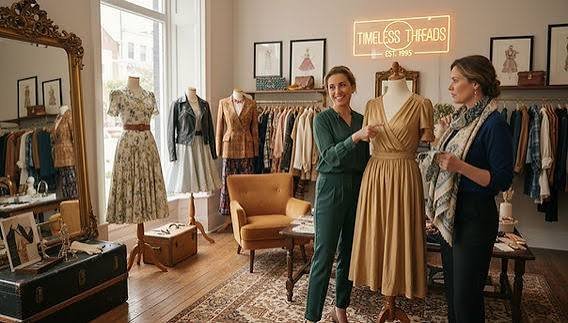
From there, you can add pieces based on the decades and styles you enjoy. Keep modern basics available so that every vintage item has something contemporary to balance it.
Create Your Own Vintage Signature
Your vintage style does not need to resemble a specific decade. You might prefer classic denim and workwear, elegant retro clothing, sporty 1990s influences, or colorful 1970s-inspired pieces.
Over time, repeated choices will create a recognizable personal aesthetic. That is more valuable than perfectly reproducing any historical fashion period.
PAA: People Also Ask
How can I make my outfit look vintage?
Start with one retro-inspired piece such as vintage denim, a classic jacket, patterned shirt, retro footwear, or a distinctive accessory. Combine it with modern basics to keep the outfit current.
Can vintage clothes be worn with modern clothes?
Yes. Mixing vintage and modern pieces is one of the easiest ways to create a stylish outfit. Contemporary jeans, shoes, bags, or jackets can balance older-inspired garments.
What colors look vintage?
Earth tones, faded blues, cream, brown, olive, mustard, burgundy, navy, and muted neutrals can create a vintage-inspired appearance. The best palette depends on the era you want to reference.
How do I avoid looking like I am wearing a costume?
Avoid wearing too many strong period-specific pieces at once. Choose one main vintage element and combine it with contemporary clothing and accessories.
Is vintage fashion still popular?
Vintage influences continue to appear in modern fashion because classic silhouettes, denim, tailoring, and retro accessories remain versatile. Modern styling allows these influences to be adapted rather than copied exactly.
FAQ: Vintage Fashion
What should I buy first for a vintage wardrobe?
Start with versatile pieces such as classic denim, a simple jacket, a vintage-inspired shirt, neutral knitwear, or retro footwear. Choose items that work with clothing you already own.
Can vintage fashion be minimalist?
Absolutely. Minimalist vintage style can focus on simple silhouettes, neutral colors, classic fabrics, and understated accessories rather than bold prints or dramatic designs.
How can I style vintage jeans?
Pair vintage or vintage-inspired jeans with a simple T-shirt, sweater, blouse, button-down shirt, or modern jacket. Contemporary footwear can help keep the outfit current.
Are vintage clothes expensive?
They can range from very affordable to highly expensive depending on age, rarity, condition, brand, and demand. Secondhand stores and thrift shops can offer more budget-friendly options.
Can I wear vintage fashion to work?
Yes, depending on the workplace. Classic trousers, structured jackets, subtle patterned shirts, and vintage-inspired accessories can create a professional appearance without looking overly retro.
What decade is easiest to incorporate into modern fashion?
The 1990s are particularly easy to adapt because many of their casual silhouettes already resemble contemporary clothing. Denim, relaxed shirts, simple sneakers, and minimalist pieces can transition easily.
Should vintage clothes fit differently?
Vintage garments may have different proportions from modern clothing, but they should still feel comfortable and intentional. Alterations can help improve the fit when necessary.
How do I mix vintage and modern styles?
Choose one or two vintage-inspired elements and combine them with modern basics. Focus on complementary colors and proportions so the outfit feels unified.
Conclusion
Vintage fashion offers an excellent way to add personality and individuality to a modern wardrobe without completely abandoning contemporary style. The most successful approach is not to recreate an entire historical outfit but to select details that genuinely appeal to you. Vintage denim, classic jackets, retro footwear, patterned shirts, structured bags, and distinctive accessories can all introduce nostalgic character while remaining practical for everyday life.
The key to modern vintage style is balance. Combine older-inspired pieces with clean contemporary clothing, pay attention to fit and proportion, and avoid adding so many historical elements that the outfit becomes overly themed. Whether you prefer the relaxed spirit of the 1990s, the expressive style of the 1970s, classic mid-century fashion, or a mixture of several eras, vintage inspiration can help you build a wardrobe that feels timeless, creative, and uniquely yours.