
Dressing well is not about being a certain height. The real secret to creating a stylish appearance is understanding proportion and choosing clothes that work naturally with your body. A well-balanced outfit can make you feel more confident regardless of whether you are tall, short, or somewhere in between.
Height can affect how garments sit on the body, but it should never limit fashion choices. Instead of following strict rules about what people of different heights can or cannot wear, focus on creating visual balance. The right trousers, jacket length, shirt fit, footwear, and color combinations can help you build outfits that feel intentional and comfortable while complementing your natural proportions.
Why Proportion Matters in Fashion
Proportion refers to how different parts of an outfit relate to each other. The length of your top compared with your trousers, the size of your jacket compared with your body, and the relationship between clothing volume and your frame can all affect the final appearance.
When proportions feel balanced, an outfit tends to look more polished. When they are noticeably mismatched, clothing can sometimes make the body appear shorter, longer, wider, or narrower than intended. Understanding these relationships gives you more control over how your clothes look.
Fit Is More Important Than Height
Your height alone does not determine whether an outfit looks good. Two people with the same height can have very different body proportions, so the same clothing may look completely different on each person.
Instead of buying clothes based only on size labels, pay attention to where the shoulders, waist, sleeves, hems, and seams sit. Proper fit creates a clean silhouette and usually makes more difference than following height-specific fashion rules.
Think About Your Overall Silhouette
The silhouette is the overall shape created by your outfit. Clothing that is extremely loose from head to toe creates a different silhouette from an outfit with a fitted top and relaxed trousers.
You can experiment with different silhouettes, but make sure they look deliberate. A balanced silhouette often makes clothing appear more sophisticated regardless of your height.
Fashion Tips for Shorter People
If you are shorter, you do not need to dress entirely in fitted or monochromatic clothing. The goal is simply to avoid unnecessary visual breaks that can make the body appear divided into many separate sections.
Cleaner lines, appropriate garment lengths, and coordinated colors can help create a more continuous appearance. comfort and personal style should remain more important than trying to create the illusion of extra height.
Choose Appropriate Trouser Length
Trousers that are excessively long can create fabric bunching around the ankles, which may make the legs appear shorter. A cleaner hem can create a more streamlined appearance.
This does not mean trousers must always be cropped. The ideal length depends on the cut and footwear. Straight, slim, and wide-leg trousers can all work when the hem is intentional and proportionate.
Avoid Excessive Oversized Clothing
Oversized clothing can look fashionable on shorter frames, but wearing very oversized pieces from head to toe may overwhelm your proportions.
If you choose a relaxed jacket or sweater, consider pairing it with cleaner trousers. Alternatively, wide-leg trousers can be balanced with a more structured or shorter top.
Fashion Tips for Taller People
Tall people often have more vertical space to work with, which can make certain oversized or layered styles particularly easy to wear. However, very long garments can sometimes create an unnecessarily elongated appearance.
The goal is to create balance rather than trying to reduce your height. Jackets, sweaters, trousers, and accessories can be used to add visual structure and create a more proportional silhouette.
Experiment With Layers
Layering can work especially well on taller frames because there is more room for different garment lengths and textures. A shirt beneath a sweater and jacket can create visual depth.
You can also experiment with longer coats, overshirts, and relaxed trousers. The key is making sure the layers are intentionally proportioned rather than simply oversized.
Use Contrasting Colors
Tall people can often wear stronger color breaks without worrying about visually shortening the body. A contrasting shirt and trousers can create clear sections within the outfit.
This can be useful if you want a more relaxed and approachable silhouette. Darker trousers with a lighter top, for example, create a natural visual division.
Choosing the Right Shirt Length
Shirt length has a major influence on body proportions. A shirt that is extremely long can make the legs appear shorter, while one that is too short may look uncomfortable or unfinished.
For untucked casual shirts, the hem should generally fall at a flattering point around the hip area. The exact length depends on the shirt style and your body proportions, so use the overall silhouette as your guide.
Tucking Shirts Strategically
Tucking a shirt can change the visual relationship between the upper and lower body. A full tuck can emphasize the waist and make the legs appear visually longer.
A half-tuck or French tuck can create a more relaxed appearance while still providing some definition. These techniques are particularly useful with casual shirts, sweaters, and oversized tops.
Choosing Jackets Based on Height
Jackets are powerful tools for creating proportion because they define the upper body. The length, shoulder structure, and volume of a jacket can dramatically change the appearance of an outfit.
Shorter jackets can emphasize the waist and create a longer-looking leg line, while longer coats create a more continuous vertical silhouette. Neither is automatically better; choose according to the effect you want.
Short Jackets
Cropped or waist-length jackets can work well when you want to emphasize the lower body. Denim jackets, bombers, and shorter utility jackets can create a balanced casual silhouette.
For shorter people, avoiding jackets that end at an awkward point around the widest part of the body can help maintain cleaner proportions. For taller people, shorter jackets can add useful visual structure.
Long Coats
Long coats create a strong vertical line and can look especially elegant on taller frames. They can also work on shorter people when the coat is properly fitted and does not overwhelm the body.
If wearing a long coat, keep the rest of the outfit relatively clean. This allows the outer layer to create structure rather than making the entire outfit appear oversized.
Choosing the Right Trousers
Trousers are one of the most important garments for creating balanced proportions. Rise, leg width, and length all influence how long or short the lower body appears.
A medium or higher rise can visually lengthen the legs because the waistband sits higher on the body. However, the most important factor is choosing a rise that feels comfortable and suits your body.
High-Rise Trousers
High-rise trousers can create a longer-looking leg line by visually raising the waist. They can work particularly well with tucked shirts, cropped jackets, or shorter tops.
This style is not limited to one height. Tall people can also wear high-rise trousers for a classic or contemporary silhouette. The overall proportions matter more than the garment itself.
Wide-Leg Trousers
Wide-leg trousers can be worn by people of different heights. The key is controlling the length and balancing the volume with the rest of the outfit.
A shorter top or tucked shirt can define the upper body, while longer wide-leg trousers create a continuous line through the legs. Taller people may have more freedom to experiment with longer and wider silhouettes.
Choosing the Right Rise
The rise of trousers refers to the distance between the crotch and waistband. It can affect how your torso and legs appear in relation to each other.
Low-rise trousers generally create a lower visual waist, while mid-rise and high-rise trousers place more emphasis higher on the body. There is no universally correct rise, so experiment to find what feels and looks best.
Balance Your Torso and Legs
If you feel that your torso appears longer than your legs, a higher rise combined with a tucked top can create more balanced proportions.
If your legs already appear very long and you want to create more visual balance, a lower or mid-rise trouser with a longer top can introduce a subtle horizontal break. These are styling options rather than strict rules.
Monochromatic Dressing and Height
Wearing similar shades from head to toe can create a continuous visual line. This is why monochromatic outfits are often associated with an elongated appearance.
Black, navy, gray, beige, cream, and other colors can all be used for tonal dressing. You do not need every piece to be exactly the same shade; variations within the same color family can create a sophisticated effect.
Try Tonal Outfits
A dark navy shirt with slightly lighter navy trousers creates a subtle tonal combination. Similarly, cream trousers with a beige sweater can create a soft continuous appearance.
Tonal outfits are particularly useful when you want clothing to look cohesive. They also provide an easy way to experiment with color without creating strong visual breaks.
Using Vertical and Horizontal Lines
Patterns and garment details can influence how the body appears. Vertical lines may create a more elongated visual effect, while strong horizontal lines can create wider visual breaks.
You do not need to avoid horizontal patterns if you are shorter or vertical patterns if you are taller. The important thing is understanding what effect the design creates and deciding whether you like it.
Use Stripes Carefully
Vertical stripes can add visual length, particularly when they are subtle and integrated into the garment. Pinstripes and narrow vertical patterns can create a refined appearance.
Horizontal stripes can add visual width and create a stronger division across the body. They can still look excellent; simply consider how they interact with your overall proportions.
Footwear and Height Proportions
Shoes are another important part of the overall silhouette. The shape, color, and visual weight of footwear can affect how an outfit feels from head to toe.
Matching footwear with trousers can create continuity, while contrasting shoes can create a noticeable break. Neither approach is universally better, so choose based on the style you want.
Match Shoes With Trousers
Shoes that are similar in color to trousers can create a smoother transition between the legs and feet. This can be useful when you want a streamlined appearance.
For example, dark trousers with dark shoes create a continuous lower-body line. Lighter trousers can similarly work with beige, white, or brown footwear.
Avoid Overly Bulky Shoes
Very bulky shoes can visually weigh down an outfit. This is not necessarily bad, particularly in contemporary streetwear, but they should be balanced with the rest of the clothing.
If your trousers are wide and your shoes are also extremely bulky, the lower half of the outfit can become visually heavy. A more proportional shoe can sometimes create a cleaner appearance.
Accessories and Body Proportions
Accessories can also influence visual balance. Belts, watches, bags, scarves, hats, and jewelry create additional lines and focal points.
The goal is not to avoid accessories but to choose their size and placement intentionally. Very small accessories can disappear on a larger frame, while extremely large accessories may dominate a smaller frame.
Choose Accessories According to Scale
A larger watch or bag can work well with a tall or broad silhouette, while smaller accessories may create a more delicate appearance on a smaller frame.
These are not strict rules. Personal style can absolutely override traditional ideas of scale. Use accessories that you genuinely enjoy while considering how they interact with the rest of your outfit.
Dressing for Your Height Without Following Rules Too Strictly
Fashion advice about height can sometimes become overly restrictive. You may hear that shorter people should never wear long coats or tall people should never wear vertical stripes, but these rules are not absolute.
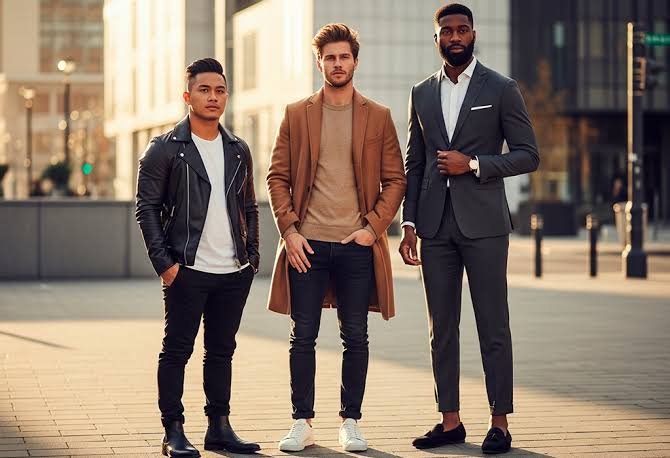
Clothing is a form of personal expression. Proportion guidelines are useful tools, not limitations. If you love an outfit, the most important thing is learning how to balance it rather than automatically rejecting it.
Confidence Matters
An outfit that makes you feel comfortable and confident will usually look more natural than one selected entirely to follow fashion rules.
Use proportion techniques when they help you achieve the appearance you want. If you prefer oversized clothing, bold colors, or dramatic silhouettes, experiment with them and develop your own approach.
How Tailoring Improves Proportions
Tailoring can make an enormous difference, particularly with formal clothing. A suit jacket that fits correctly at the shoulders and trousers that have the right length can immediately improve the overall silhouette.
Small alterations such as shortening sleeves, adjusting trouser hems, or taking in a waist can make clothing appear much more intentional. You do not necessarily need custom-made clothing to achieve a good fit.
Tailor Important Pieces First
If you have a limited budget, prioritize tailoring pieces that you wear frequently. A well-fitted blazer, suit, trousers, or coat can provide more value than constantly buying new clothes.
Before altering anything, make sure the garment is close enough to your desired fit. Major structural changes may not always be practical, but small adjustments can be highly effective.
Dressing for Height in Casual Fashion
Casual outfits give you more freedom to experiment with proportions. Jeans, T-shirts, hoodies, overshirts, sneakers, and jackets can be combined in countless ways.
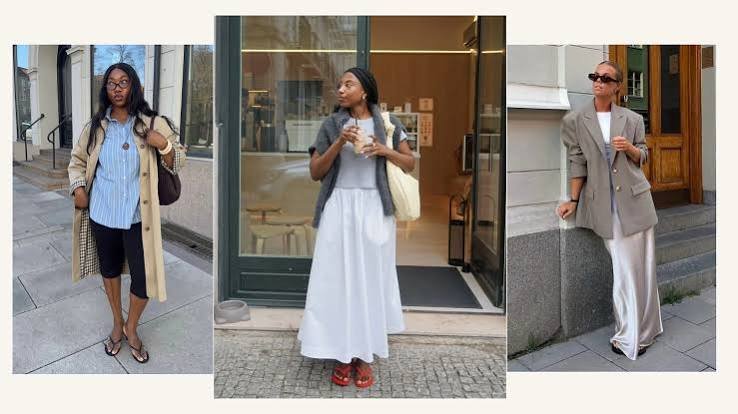
For shorter people, a tucked T-shirt with straight-leg jeans and a shorter jacket can create a clean silhouette. Taller people may enjoy relaxed jeans with layered shirts and longer jackets.
Keep Casual Outfits Balanced
Casual does not mean proportions do not matter. An extremely oversized hoodie with extremely wide trousers may create a lot of visual volume.
If that is your preferred aesthetic, keep it intentional through coordinated colors and footwear. Otherwise, balance a relaxed piece with a cleaner item to make the outfit easier to wear.
Dressing for Height in Formal Fashion
Formal clothing benefits greatly from good proportion. Suits, dresses, trousers, jackets, and coats should create a clean and intentional silhouette.
For formal outfits, tailoring becomes particularly important. A properly fitted jacket can define the shoulders and waist, while appropriately hemmed trousers can create a cleaner leg line.
Formalwear for Shorter Frames
Shorter people may benefit from suits and jackets with clean, streamlined proportions. Excessively long jackets or trousers can overwhelm the frame.
A moderately narrow lapel, appropriate jacket length, and trousers with minimal bunching can create a polished appearance. However, modern relaxed tailoring can also work when properly proportioned.
Formalwear for Taller Frames
Taller people can experiment with stronger tailoring details, longer jackets, wider lapels, and broader silhouettes. The extra vertical space can accommodate more visual elements.
However, excessively long or oversized formalwear can still look disproportionate. Good tailoring remains essential regardless of height.
Common Proportion Mistakes
One common mistake is wearing clothing that is technically the correct size but still has poor proportions. Size labels do not always account for differences in body shape or garment construction.
Another mistake is focusing too much on making yourself appear taller or shorter. Fashion should improve how you feel in your clothing rather than becoming an endless attempt to change your natural appearance.
Wearing Everything Oversized
Oversized clothing can be stylish, but wearing oversized garments throughout the entire outfit can sometimes hide your natural shape.
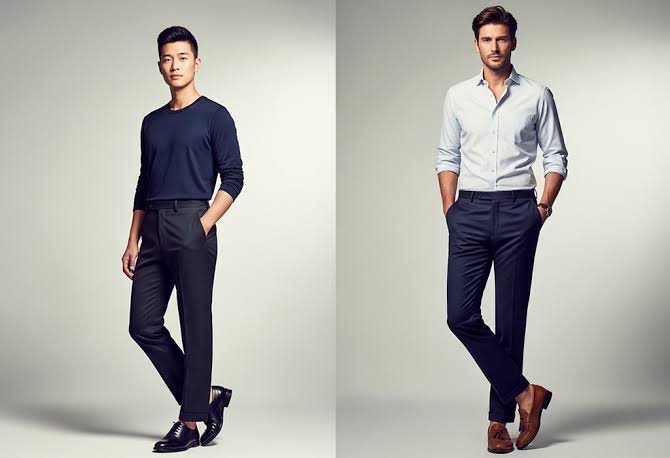
If you enjoy oversized fashion, experiment with controlled volume. An oversized jacket with straight trousers or wide trousers with a shorter top can create more intentional proportions.
Ignoring Trouser Length
Trouser length is frequently overlooked. Excessive bunching can make even an excellent outfit look untidy.
Try different hems and footwear combinations. A clean break, slight stacking, or cropped finish can each work depending on the trouser style and desired aesthetic.
Build a Wardrobe That Fits Your Proportions
A good wardrobe should contain different silhouettes so you can create varied outfits. Straight-leg trousers, relaxed jeans, shorter jackets, longer coats, fitted shirts, oversized sweaters, and structured pieces can all serve different purposes.
Instead of buying clothes simply because they look good on a model, consider how the garment’s proportions will work with your own body. This approach can dramatically reduce disappointing purchases.
Know Your Best Garment Lengths
Pay attention to which shirt, jacket, coat, and trouser lengths consistently make you feel comfortable and confident. Once you identify those proportions, shopping becomes much easier.
You can still experiment with other lengths, but having a reliable foundation gives you a starting point. Personal experience is often more useful than generic fashion rules.
PAA: People Also Ask
How should short people dress to look taller?
Clean proportions, appropriately fitted clothing, coordinated colors, and trousers with a suitable length can create a streamlined appearance. High-rise trousers and tonal outfits may also help create visual continuity.
How should tall people dress?
Tall people can experiment with layering, contrasting colors, relaxed silhouettes, and longer outerwear. The main goal is maintaining balance rather than trying to hide height.
Do oversized clothes make you look shorter?
They can if the entire outfit is excessively oversized and overwhelms your proportions. Controlled oversized pieces can still look excellent when balanced with cleaner garments.
Does wearing one color make you look taller?
A monochromatic or tonal outfit can create a continuous visual line, which may give an elongated impression. It is a styling option rather than a requirement.
What trouser rise is best for height?
Mid-rise and high-rise trousers can create a longer-looking leg line, while lower rises can create more visual space in the torso. The best rise depends on comfort and your individual proportions.
FAQ: Dressing for Your Height
Should shorter people avoid long coats?
No. Long coats can work on shorter frames when the length, fit, and overall silhouette are balanced. A well-fitted coat is generally more important than following a strict length rule.
Should tall people avoid vertical stripes?
No. Vertical stripes can look excellent on tall people. If you want to create more visual breaks, use contrasting colors, layers, or different textures rather than avoiding a particular pattern.
Are cropped jackets good for shorter people?
Cropped or moderately short jackets can emphasize the waist and create more visual length in the legs. They can be especially useful with high-rise trousers or jeans.
Can short people wear wide-leg jeans?
Absolutely. Wide-leg jeans can look stylish on shorter people when the length and top proportions are balanced. A tucked shirt or shorter jacket can help define the upper body.
How can I make my legs look longer?
Higher-rise trousers, shorter or tucked tops, coordinated colors, and appropriate trouser lengths can create the appearance of longer legs. These techniques work by changing visual proportions rather than physically altering the body.
Does shoe color affect height proportions?
Yes. Shoes that closely match your trousers can create a continuous lower-body line, while strongly contrasting shoes create a visual break. Both can work depending on your desired appearance.
Is tailoring important for tall people?
Yes. Tall people can have difficulty finding garments with appropriate sleeve, trouser, and jacket lengths. Tailoring can help correct these issues and create a cleaner silhouette.
What is the most important fashion rule for height?
There is no single rule. Focus on fit, proportion, comfort, and personal style. Height-specific guidelines should be treated as helpful suggestions rather than restrictions.
Conclusion
Dressing for your height is ultimately about understanding proportion rather than trying to follow a rigid list of rules. The right garment length, trouser rise, jacket shape, color combination, and footwear can influence how your overall silhouette appears. Whether you are short, tall, or somewhere between, properly fitted clothing and thoughtful styling can create a balanced and confident appearance.
The most important thing is to use fashion advice as a tool rather than a limitation. Experiment with different silhouettes, pay attention to the proportions that make you feel your best, and build your wardrobe around clothing that fits your lifestyle. When you understand how your clothes interact with your natural proportions, you can create stylish outfits that feel comfortable, intentional, and completely your own.