
Neutral colors are among the most useful shades in fashion because they can create elegant, timeless, and highly versatile outfits without relying on bright or complicated color combinations. Black, white, cream, gray, brown, navy, and similar muted shades can work together in countless ways. They can create everything from relaxed everyday outfits to sophisticated workwear and polished evening looks.
Styling neutrals does not mean your wardrobe has to look boring. The secret is learning how to use different shades, textures, fabrics, proportions, and accessories to create visual interest. A cream sweater with beige trousers can look completely different from a black shirt with gray trousers, even though both outfits use simple colors. With thoughtful combinations, neutral clothing can become the foundation of a stylish and flexible wardrobe.
What Are Neutral Colors in Fashion?
Neutral colors are shades that generally do not dominate an outfit and can coordinate easily with other colors. Common fashion neutrals include black, white, beige, cream, brown, taupe, navy, and certain muted earth tones.
These colors are useful because they can be mixed without creating excessive contrast. A neutral wardrobe also makes getting dressed easier because many individual garments can work together. Instead of worrying about whether colors clash, you can focus more on fit, texture, silhouette, and accessories.
Why Neutral Colors Are So Versatile
The versatility of neutral shades comes from their ability to complement one another. A beige jacket can work with black trousers, white jeans, navy chinos, or brown clothing.
This flexibility makes neutral pieces excellent wardrobe investments. One well-fitting neutral garment can potentially be styled in many different ways, reducing the need to buy a large number of highly specific pieces.
Neutral Does Not Mean Plain
A neutral outfit can still be visually interesting. Texture, layering, contrast, patterns, accessories, and proportions can all add personality without requiring bright colors.
For example, a monochromatic beige outfit can include a knitted sweater, tailored trousers, suede-style shoes, and a structured bag. The colors remain simple, but the different textures create depth.
Start With the Basic Neutral Shades
If you are new to neutral dressing, begin with a few foundational colors. Black, white, beige, gray, navy, and brown are particularly useful because they can support many different outfits.
You do not need every neutral shade in your wardrobe. Choose colors that complement your existing clothing and that you genuinely enjoy wearing. A smaller, coordinated palette is often more useful than a large collection of unrelated shades.
Black and White
Black and white create one of the strongest and easiest neutral combinations. The contrast is clear, making the outfit look clean and intentional.
A white shirt with black trousers is a classic example. You can make the combination casual with sneakers and denim or more formal with tailored trousers, polished shoes, and a structured jacket.
Beige and Cream
Beige and cream create a softer appearance than black and white. They are especially useful for creating elegant tonal outfits.
A cream sweater with beige trousers can look sophisticated without appearing overly formal. Add brown footwear or accessories to create a natural connection between the shades.
How to Create a Monochromatic Outfit
A monochromatic outfit uses different shades of one color family. It does not necessarily mean wearing exactly the same color from head to toe.
For example, an outfit can combine cream, beige, and light brown. Similarly, charcoal, medium gray, and black can create a sophisticated dark monochromatic look.
Mix Different Shades
Using slightly different shades prevents a monochromatic outfit from looking flat. A light beige top with darker taupe trousers creates subtle contrast while keeping the overall palette cohesive.
You can also use one darker accessory to define the outfit. Brown shoes or a black bag can provide enough contrast without breaking the neutral aesthetic.
Use Texture to Add Depth
Texture becomes particularly important when colors are similar. Knitwear, denim, wool, leather, cotton, linen, suede-style materials, and other fabrics can make a tonal outfit visually richer.
For example, a cream knit sweater with smooth beige trousers and textured brown footwear creates several visual layers even though the color palette is limited.
Styling Black Neutrals
Black is one of the most powerful neutral colors because it can look casual, sophisticated, dramatic, or minimalist depending on how it is styled.
A black T-shirt with jeans creates an effortless casual look, while a black shirt with tailored trousers can feel much more polished. Black outerwear can also provide a strong foundation for lighter accessories.
Try an All-Black Outfit
An all-black outfit can look elegant when the pieces have different textures or silhouettes. A black knit sweater with black trousers and leather-style shoes creates subtle variation.
You can also introduce a small amount of white, gray, silver, brown, or another neutral through accessories. This prevents the outfit from feeling visually heavy while maintaining its dark foundation.
Styling White and Cream
White and cream create a fresh, clean appearance and can be especially useful in warmer seasons. They also work well as lighter foundations under darker outer layers.
A white T-shirt is one of the most versatile wardrobe pieces because it can be worn with almost every neutral shade. Cream can provide a softer alternative when bright white feels too stark.
Create Light Neutral Layers
Try combining a white or cream base layer with beige outerwear and light brown accessories. This creates a soft tonal palette that works particularly well for casual and smart-casual outfits.
You can also introduce darker footwear to ground the look. Brown loafers, black sneakers, or dark boots can provide visual structure.
Styling Gray
Gray is one of the most flexible neutral colors because it can range from almost white to nearly black. Light gray can create a soft appearance, while charcoal can create a more serious and sophisticated look.
Gray works particularly well with black, white, navy, beige, and muted colors. It is also excellent for knitwear, coats, trousers, sweatshirts, and tailored pieces.
Pair Gray With Black
Gray and black create a modern and understated combination. A charcoal sweater with black trousers is simple but polished.
For a more relaxed outfit, try a gray sweatshirt with black jeans and clean sneakers. The combination is casual without relying on bold colors.
Styling Brown and Earth Tones
Brown adds warmth to a neutral wardrobe. It works particularly well with beige, cream, white, navy, olive, and denim.
Different shades of brown can also be combined together. Light tan trousers with a dark brown jacket create contrast while maintaining a natural palette.
Add Brown Through Accessories
If you do not want to wear a lot of brown clothing, introduce it through shoes, belts, bags, watches, or other accessories.
Brown leather-style footwear with beige trousers and a cream sweater can immediately make a simple outfit feel more sophisticated. These small details can connect different neutral garments.
Styling Navy as a Neutral
Navy is often treated as a neutral because it works easily with many other colors. It can provide a softer alternative to black while maintaining a polished appearance.
Navy trousers, shirts, blazers, sweaters, and jackets can be combined with white, gray, beige, brown, and denim. This makes navy particularly useful for workwear and smart-casual wardrobes.
Navy and Beige
Navy and beige create a classic contrast. A navy sweater with beige trousers is simple enough for everyday wear but polished enough for many smart-casual settings.
You can finish the outfit with brown shoes or a leather-style belt for a warm accent.
Combining Warm and Cool Neutrals
Not all neutral colors have the same temperature. Beige, cream, tan, and brown generally feel warmer, while gray, navy, and certain whites can feel cooler.
Combining warm and cool neutrals can create more interesting outfits. The contrast is subtle because the colors remain relatively understated.
Balance the Temperature
If you combine a warm beige sweater with cool gray trousers, add a neutral accessory that connects the two sides, such as white sneakers or a dark brown bag.
This helps prevent the outfit from feeling disconnected. You do not need every color to have the same temperature; you simply need enough visual connection between the pieces.
Neutral Colors and Different Seasons
Neutral colors can work throughout the year, but different shades and fabrics can create seasonal changes. Light cream, beige, and white often feel fresh during spring and summer.
Darker gray, brown, navy, charcoal, and black can create a richer appearance during autumn and winter. Fabric choice is just as important as color.
Spring and Summer Neutrals
Lightweight cotton, linen, and breathable blends work well with cream, beige, white, light gray, and soft brown.
A cream shirt with beige trousers and simple sneakers can create an effortless warm-weather outfit. Add a light brown accessory for subtle contrast.
Autumn and Winter Neutrals
During colder months, heavier textures such as wool, knitwear, denim, corduroy, and structured outerwear can add depth.
A charcoal sweater with dark trousers and a camel coat creates a sophisticated winter combination. Brown boots can complete the look without introducing a bright color.
Neutral Colors for Casual Outfits
Neutral colors are ideal for casual dressing because they make basic pieces easier to combine. T-shirts, jeans, sweatshirts, hoodies, overshirts, sneakers, and jackets can all be styled using a simple neutral palette.
A white T-shirt, blue or black jeans, and beige jacket is an easy everyday combination. Another option is a gray sweatshirt with black trousers and white sneakers.
Keep Casual Outfits Relaxed
Neutral clothing does not need to be perfectly tailored for casual wear. Relaxed fits can create a comfortable and contemporary appearance.
However, make sure the proportions remain intentional. An oversized top can work with straight or relaxed trousers, while a more fitted top can balance wider trousers.
Neutral Colors for Workwear
Neutral shades are especially effective for professional clothing because they tend to look polished without being distracting. Navy, charcoal, black, beige, white, and gray can form the foundation of a versatile work wardrobe.
A small number of neutral garments can create many combinations. For example, one navy blazer can work with gray trousers, beige trousers, black trousers, or dark denim in less formal environments.
Create a Professional Color Palette
Choose two or three main neutrals as the foundation of your work wardrobe. Add additional shades gradually.
This approach makes coordinating outfits easier and reduces the need to purchase separate pieces for every combination. A cohesive palette can also make your wardrobe appear more organized.
Neutral Colors for Formal Outfits
Formalwear often relies heavily on neutral shades because they create a timeless and sophisticated appearance. Black, navy, charcoal, white, and gray are common choices for suits, dresses, formal trousers, coats, and evening clothing.
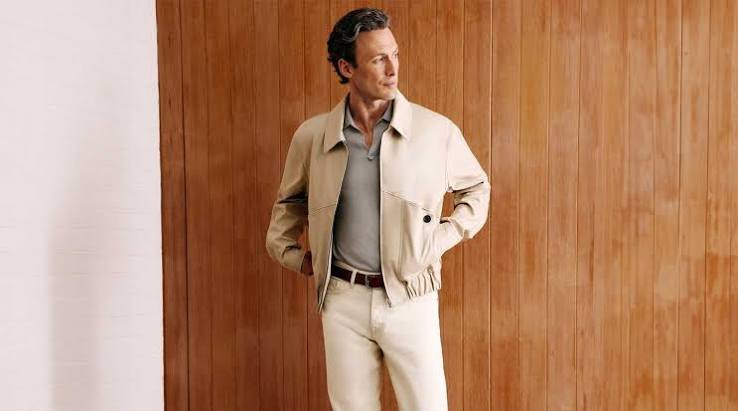
Neutral formalwear can still have personality through tailoring, fabric, texture, accessories, and subtle details.
Add Interest Through Texture
A textured tie, knit layer, satin-style fabric, wool jacket, leather-style shoe, or patterned accessory can add visual interest to formal neutrals.
The important thing is keeping the overall appearance cohesive. One distinctive detail is often more effective than several competing statement pieces.
Styling Neutral Patterns
Neutral outfits do not have to be completely solid. Patterns such as stripes, checks, herringbone, subtle plaids, and small geometric designs can add interest while keeping the palette understated.
A gray checked blazer with black trousers can create a polished outfit without introducing bright colors. Similarly, a striped cream-and-navy shirt can become a focal point in a simple wardrobe.
Keep Patterns Controlled
If one garment has a strong pattern, keep the surrounding pieces relatively simple. This allows the pattern to stand out without making the outfit feel busy.
Neutral patterns are particularly useful for people who want visual interest but prefer not to wear bright colors.
The Role of Accessories
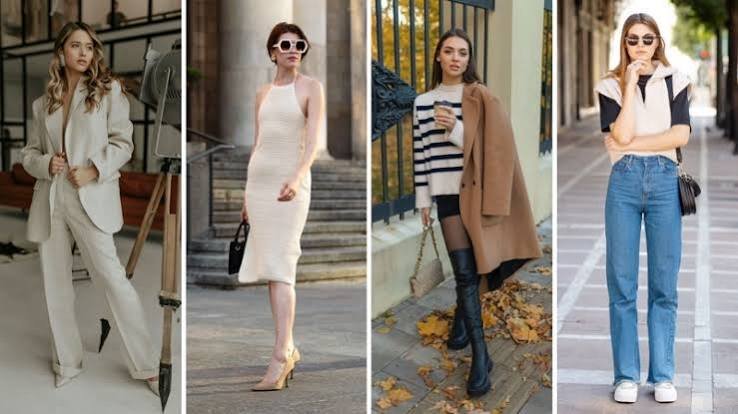
Accessories can transform a neutral outfit. Belts, bags, watches, sunglasses, scarves, jewelry, and footwear can provide contrast and personality.
Because the clothing palette is simple, accessories have more opportunity to become noticeable. You can use them to introduce texture, shine, color, or a different material.
Use Accessories as Accent Points
A brown leather-style belt with beige trousers can add warmth. A black bag with a cream outfit can create structure, while silver or gold jewelry can introduce subtle shine.
Choose accessories according to the occasion. Casual outfits can support canvas bags and sneakers, while formal outfits may benefit from structured bags and polished footwear.
Neutral Colors and Denim
Denim can work as a bridge between neutral and more colorful wardrobes. Blue denim is not technically a neutral in every context, but it behaves similarly because it coordinates with many shades.
Black, white, beige, cream, gray, brown , and navy all work well with denim. A denim jacket can also become a useful neutral-style layering piece.
Try Denim With Beige
Beige and blue denim create an effortless combination. A beige jacket over a white T-shirt with medium-wash jeans creates a relaxed but coordinated outfit.
Brown shoes or a brown bag can connect the warm beige tones with the rest of the look.
Creating Contrast Without Bright Colors
Contrast does not always require red, yellow, green, or other bright shades. Black and cream, navy and white, charcoal and light gray, or brown and beige can all create strong visual differences.
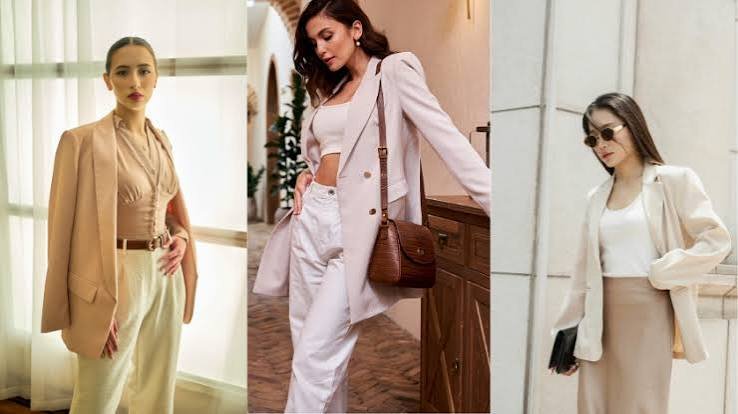
This makes neutral dressing particularly useful for people who prefer understated fashion. You can create dramatic or sophisticated outfits while keeping the color palette restrained.
Use Light and Dark Together
One of the easiest techniques is combining a light garment with a dark one. A cream sweater with black trousers creates immediate contrast.
You can reverse the combination with a black top and cream trousers. Add a medium neutral such as brown or gray through footwear or accessories to soften the transition.
How Fit Changes Neutral Outfits
When an outfit uses simple colors, fit becomes even more important because there are fewer colors competing for attention. Poorly fitting garments can become more noticeable.
Focus on shoulder placement, sleeve length, trouser length, waist fit, and overall silhouette. A simple neutral outfit with excellent fit can look more sophisticated than an expensive outfit with poor proportions.
Balance Fitted and Relaxed Pieces
You can combine fitted and relaxed pieces to create a balanced silhouette. Wide trousers can work with a more structured shirt, while a relaxed sweater can pair with straight or slim trousers.
There is no single correct formula. Experiment with different proportions and choose combinations that feel natural to you.
Layering Neutral Colors
Neutral palettes are excellent for layering because the colors rarely clash. You can combine several garments while maintaining a cohesive appearance.
A white T-shirt under a gray sweater with a beige jacket creates three distinct layers without becoming visually complicated. During colder weather, add a dark coat and matching footwear.
Layer Similar Shades
Layering similar shades can create a sophisticated tonal appearance. A cream shirt under a beige sweater with a camel coat produces subtle variation.
Use texture and length to separate the layers. Different materials can make similar colors easier to distinguish.
Common Neutral Styling Mistakes
One common mistake is wearing too many nearly identical shades without enough contrast. While tonal dressing can be elegant, an outfit may appear flat if every piece has the same color and texture.
Another mistake is assuming neutral dressing requires completely plain clothing. Patterns, textures, accessories, and interesting silhouettes can add plenty of personality.
Avoid Looking Washed Out
Very pale neutrals can sometimes blend together, especially when there is little contrast between clothing and accessories. Adding a darker shoe, bag, belt, or outer layer can create definition.
You can also use slightly deeper shades such as camel, tan, brown, navy, or charcoal to anchor a light outfit.
Do Not Depend Only on Black
Black is versatile, but using black for every outfit can make a neutral wardrobe feel repetitive. Explore beige, cream, brown, gray, navy, and olive to create more variety.
These shades can provide different moods while remaining easy to coordinate.
Building a Neutral Capsule Wardrobe
A neutral capsule wardrobe can make daily dressing significantly easier. Start with a few versatile pieces such as a white T-shirt, black trousers, neutral sweater, jeans, beige jacket, navy or gray layer, and simple footwear.
Choose pieces that can be combined in multiple ways. The purpose of a capsule wardrobe is not to own very few clothes at any cost but to ensure that the clothes you own work well together.
Choose Quality and Versatility
When shopping for neutral pieces, consider fabric quality, construction, comfort, and versatility. A garment that can be worn with five different outfits usually provides more value than one that only works with one combination.
Prioritize the pieces you wear most frequently. Over time, your wardrobe can develop naturally around the neutral shades and silhouettes that suit your lifestyle.
How to Add Personality to Neutral Outfits
Neutral fashion does not have to mean minimal personality. You can express yourself through accessories, unusual silhouettes, textures, patterns, footwear, and small color accents.

A colorful scarf, patterned bag, distinctive shoes, or statement jewelry can add individuality without changing the neutral foundation of the outfit.
Add One Non-Neutral Accent
If you want to experiment with color, start with one accent. A muted green bag, burgundy shoes, blue scarf, or rust-colored sweater can introduce personality while keeping most of the outfit neutral.
This approach is particularly useful if you are transitioning from a colorful wardrobe to a more understated style. You can gradually discover which accent colors you enjoy.
PAA: People Also Ask
What neutral colors go well together?
Black, white, beige, cream, gray, brown, navy, and taupe can generally be combined in many ways. The exact combination depends on contrast, fabric, and personal style.
How do you make neutral outfits interesting?
Use different textures, proportions, layers, patterns, and accessories. Combining several shades of the same color can also create visual depth.
Is beige a good neutral color?
Yes. Beige is extremely versatile and works particularly well with cream, white, brown, navy, black, denim, and gray.
Can you wear all neutral colors together?
Absolutely. Tonal and neutral outfits can look elegant and sophisticated when the shades, textures, and proportions are balanced.
What is the best neutral color for a wardrobe?
There is no single best option, but black, navy, gray, beige, white, and cream are particularly versatile. Choose based on your existing wardrobe and personal preferences.
FAQ: Styling Neutral Colors
Can neutral outfits look fashionable?
Yes. Neutral outfits can look highly fashionable when attention is given to fit, texture, proportions, layering, and accessories.
How many colors should a neutral outfit have?
There is no fixed number. Two or three related neutral shades are an easy starting point, while monochromatic outfits may use several variations of one color.
Can I wear brown and black together?
Yes. Brown and black can create a sophisticated combination when the shades and textures are balanced. Brown accessories can also soften an otherwise black outfit.
Are white and cream okay to wear together?
Yes. Combining white and cream creates subtle contrast and can look elegant. Differences in texture can help separate the shades visually.
Can neutral clothing be worn in summer?
Absolutely. Lightweight white, cream, beige, light gray, and soft brown fabrics are excellent for warm-weather outfits.
How do I add color to a neutral wardrobe?
Start with one accent color through an accessory, shoe, bag, scarf, or statement garment. This lets you introduce color without changing the entire wardrobe.
Are neutral clothes suitable for formal occasions?
Yes. Black, navy, charcoal, white, cream, and other refined neutral shades are excellent choices for formal events. Fabric, tailoring, and accessories can add sophistication.
How can I avoid making a neutral outfit boring?
Focus on contrast, texture, layering, silhouette, and accessories. Even an outfit made entirely from neutral colors can look distinctive when these elements are thoughtfully combined.
Conclusion
Neutral colors provide one of the strongest foundations for a stylish and versatile wardrobe. Shades such as black, white, beige, cream, gray, brown, and navy can be combined in countless ways, making it easier to create outfits for casual days, settings, special occasions, and different seasons. The simplicity of the palette allows other elements, including fit, fabric, texture, proportions, and accessories, to become more noticeable.
The best neutral outfits are not necessarily the simplest ones. Experiment with tonal combinations, light and dark contrast, different textures, and carefully chosen accessories to develop a look that feels personal. By building your wardrobe around versatile neutral pieces and adding occasional accents when desired, you can create elegant outfits that remain practical, timeless, and easy to style.