
Looking stylish is not always about buying expensive clothes or following every new fashion trend. Often, the biggest difference comes from avoiding simple styling mistakes that can make an otherwise good outfit look unfinished, or poorly balanced. Issues such as incorrect sizing, unsuitable proportions, excessive accessories, poor color coordination, and neglected footwear can affect the overall appearance more than the price or brand of the clothing.
The good news is that most fashion mistakes are easy to fix once you know what to look for. Developing personal style does not mean following strict rules or dressing exactly like someone else. Instead, it means understanding what works for your body, lifestyle, occasion, and preferences. By identifying common styling problems and learning practical ways to correct them, you can build outfits that look more polished while still feeling natural and comfortable.
Wearing the Wrong Size
One of the most common fashion mistakes is wearing clothing that does not fit properly. Clothes that are too tight can restrict movement and create uncomfortable pulling around the chest, waist, hips, or arms. On the other hand, clothing that is much too loose can hide the body’s natural shape and make an outfit appear untidy.
The correct size is not always the same across different brands or garments. A medium in one brand may fit differently from a medium in another. Instead of relying only on the label, pay attention to how the garment sits on your body, how it moves, and whether the proportions look intentional.
How to Fix Poor Fit
Start by checking the areas that matter most, including shoulders, sleeves, waist, and trouser length. If the shoulders fit correctly but the garment is slightly loose elsewhere, a tailor may be able to make small adjustments.
For casual clothing, a relaxed fit can still look stylish when it is intentional. The problem is usually not loose clothing itself but clothing that appears accidentally oversized or poorly proportioned.
Ignoring Proportions
Even clothes that fit individually can look awkward when combined incorrectly. Proportion refers to how different parts of an outfit relate to each other, including the length of your top, trousers, jacket, and outerwear.
For example, an extremely long oversized shirt combined with very wide trousers can create a large amount of volume throughout the outfit. Similarly, a very short jacket with extremely low-rise trousers can create an unusual visual balance.
How to Create Better Proportions
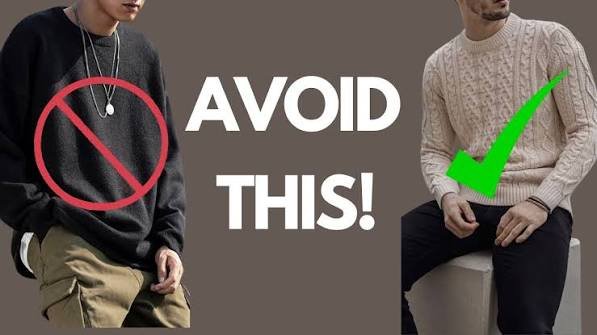
Try balancing one relaxed piece with another garment that provides structure. Wide-leg trousers can work well with a tucked shirt or shorter jacket, while an oversized sweater can be paired with straighter trousers.
You do not need to make every outfit fitted. The goal is to make the relationship between different garments look deliberate. Experiment with lengths and silhouettes until the outfit feels balanced.
Wearing Too Many Trends at Once
Fashion trends can be fun, but combining too many of them in a single outfit can make your style look complicated. When every item is a statement piece, there may be no clear focal point.
A trendy jacket, bold trousers, statement shoes, large accessories, and an attention-grabbing graphic top may each look good individually. Together, however, they can compete for attention.
How to Fix an Overly Trendy Outfit
Choose one major trend as the focus and support it with simpler pieces. If you are wearing statement trousers, for example, pair them with a relatively simple top and understated footwear.
This approach allows you to enjoy current trends while maintaining a timeless foundation.
Poor Color Coordination
Color can transform an outfit, but poorly coordinated colors can make clothing look disconnected. This does not mean every outfit needs to be monochromatic or neutral.
The main issue is often using too many unrelated colors without creating a visual connection between them. When several strong shades compete, the outfit can become difficult to read.
How to Improve Color Combinations
Start with two or three main colors and build the outfit around them. Neutral shades such as black, white, beige, gray, navy, and brown can help balance stronger colors.
You can also repeat one color in different parts of the outfit. For example, matching the color of your shoes with a bag, belt, or subtle clothing detail can create a more cohesive appearance.
Wearing Clothes That Are Too Long or Too Short
Garment length has a major effect on how polished an outfit looks. Shirts that extend too far below the hips, sleeves that cover most of the hands, or trousers that bunch heavily around the ankles can make an outfit appear poorly fitted.
At the same time, garments that are excessively short can feel uncomfortable or visually disconnected. The ideal length depends on the garment type, body proportions, and intended style.
How to Fix Length Problems
Pay attention to where hems naturally fall. Trouser length should work with the footwear and silhouette, while jacket and shirt lengths should complement the lower half of the outfit.
If a garment is otherwise excellent but slightly too long, simple tailoring may solve the problem. Small adjustments can make a surprisingly large difference in the final appearance.
Choosing the Wrong Shoes
Shoes are sometimes treated as an afterthought, even though they can completely change the character of an outfit. The wrong footwear can make casual clothing look too formal, formal clothing look too relaxed, or an otherwise balanced outfit feel visually heavy.
Condition matters too. Dirty, heavily worn, or damaged shoes can make an outfit look less polished even when the rest of the clothing is well maintained.
Match Shoes to the Outfit
Consider the formality, color, and proportions of the clothing before selecting footwear. Sneakers may work beautifully with casual tailoring, while polished shoes may be more appropriate for formal clothing.
Also consider visual weight. Very bulky shoes can dominate slim trousers, while delicate footwear may look disproportionate with extremely wide or heavy garments.
Wearing Too Many Accessories
Accessories can add personality, but using too many statement pieces at once can make an outfit appear cluttered. Large jewelry, oversized sunglasses, bold bags, hats, scarves, and statement belts may compete with each other.
The problem is not having several accessories. It is failing to establish a visual hierarchy between them.
Create One Main Accessory
Choose one accessory to become the focal point and let the others support it. A statement watch can be paired with simple jewelry, while a bold bag can be combined with understated accessories.
This creates a more organized appearance. You can still express personality without making every accessory compete for attention.
Ignoring the Occasion
One of the most noticeable styling mistakes is wearing clothing that does not match the setting. An outfit can be fashionable but still inappropriate for a particular event.
Wearing extremely casual clothing to a formal occasion can appear careless, while wearing highly formal clothing to a relaxed gathering can make you feel uncomfortable and overdressed.
Check the Dress Code
Before choosing an outfit, consider the location, time, type of event, and expected dress level. When the dress code is unclear, slightly more polished is often safer than being noticeably underdressed.
You can also use versatile pieces that can be adjusted. A blazer can make a casual outfit smarter, while removing the blazer can create a more relaxed appearance.
Wearing Uncomfortable Clothes
Style should not require constant discomfort. Shoes that hurt, trousers that restrict movement, shirts that feel too tight, or fabrics that irritate the skin can affect your confidence throughout the day.
When you are uncomfortable, it often shows through your body language. You may repeatedly adjust clothing or avoid moving naturally, which can make even an expensive outfit look less confident.
Prioritize Comfort and Function
Choose fabrics, cuts, and footwear that allow natural movement. Comfort does not mean sacrificing style; modern fashion offers plenty of attractive options designed for everyday wear.
When buying something new, think about where and how you will wear it. Clothing that looks good but cannot comfortably survive a normal day may not be a useful addition to your wardrobe.
Neglecting Clothing Condition
Even perfectly styled clothing can look unattractive when it is wrinkled, stained, faded, or damaged. Clothing maintenance is an essential part of personal style.
Loose threads, missing buttons, visible lint, worn collars, and poorly maintained shoes can distract from the rest of an outfit. These details are especially noticeable in simple outfits.
Keep Clothes Well Maintained
Follow care instructions, remove stains promptly, iron or steam garments when necessary, and store clothing appropriately. Regular maintenance can extend the life of your favorite pieces.
You should also inspect clothing before wearing it. A few minutes of preparation can prevent small problems from becoming obvious styling distractions.
Buying Clothes Without a Plan
Impulse shopping can quickly create a wardrobe full of individual pieces that do not work together. A garment may look fantastic in a store but become difficult to style once you take it home.
A wardrobe becomes more useful when new purchases complement clothing you already own. Before buying something, consider how many existing outfits you can create with it.
Build Around Versatile Pieces
Invest in foundational clothing such as well-fitting trousers, jeans, shirts, sweaters, jackets, and versatile footwear. These pieces can support more distinctive items.
Before making a purchase, ask yourself whether you can style the item in at least several different ways. If not, it may be better to wait.
Wearing the Same Silhouette Every Day
Finding a comfortable outfit formula is useful, but relying on exactly the same silhouette every day can make your wardrobe feel repetitive. Personal style benefits from some variation.
You might normally wear slim trousers and fitted shirts, but experimenting with relaxed trousers, cropped jackets, or layered outfits can help you discover new combinations.
Experiment Gradually
You do not need to completely change your style overnight. Introduce one new silhouette at a time and combine it with familiar pieces.
This allows you to experiment without feeling like you are wearing something completely outside your comfort zone. Over time, you may develop several reliable outfit formulas.
Ignoring Fabric and Texture
Color and fit receive a lot of attention, but fabric and texture also influence how an outfit looks. Wearing several garments with completely different visual weights can sometimes make the outfit feel unbalanced.
Texture can also add depth to neutral or monochromatic outfits. Knitwear, denim, cotton, wool, suede-style materials, leather-style pieces, and textured fabrics can all contribute visual interest.
Combine Complementary Textures
Try mixing smooth and textured materials. A knitted sweater with tailored trousers or a denim jacket with a soft cotton shirt can create contrast.
Texture is especially useful when you prefer neutral colors. Instead of relying on bright shades, you can create interest through differences in fabric and surface.
Following Body-Type Rules Too Strictly
Fashion advice often categorizes people by body type and recommends strict rules about what they should or should not wear. While proportion can be useful, rigid rules can unnecessarily limit personal style.
There is no universal list of garments that every person of a particular shape must avoid. Individual preferences, confidence, culture, lifestyle, and comfort all matter.
Use Guidelines Instead of Rules
Think of proportion advice as a tool. If a particular silhouette makes you feel confident, learn how to balance it rather than automatically rejecting it.
Try different cuts and lengths. Your own experience will eventually show you which combinations you enjoy and which ones work best for your lifestyle.
Wearing Poorly Fitted Formalwear
Formal clothing makes fit especially important. An oversized suit jacket, excessively long trousers, sleeves that are too long, or an incorrectly positioned shoulder seam can make formalwear appear less polished.
Because formal outfits are often simpler in color and design, fit becomes one of their most noticeable features.
Invest in Tailoring
Small alterations can dramatically improve formal clothing. Trouser hems, sleeve lengths, waist adjustments, and minor jacket alterations can create a cleaner silhouette.
You do not necessarily need custom-made clothing. Buying a garment that is already close to your ideal fit and having it adjusted can often provide excellent results.
Matching Everything Too Perfectly
Matching your belt, shoes, bag, watch, and clothing exactly may seem polished, but excessive coordination can sometimes make an outfit feel outdated or overly deliberate.
Modern styling often benefits from subtle relationships rather than exact matching. Similar tones and complementary materials can create harmony without making everything identical.
Use Coordination Instead of Matching
For example, brown shoes can work with a darker brown belt without requiring the shades to be identical. A neutral bag can complement footwear without matching it exactly.
The goal is visual connection. Small differences can actually make an outfit appear more natural and sophisticated.
Wearing Clothes That Do Not Suit Your Lifestyle
Another common mistake is building a wardrobe around an imaginary lifestyle. You may love formal tailoring, delicate fabrics, or statement clothing, but if your daily life is mostly casual, those pieces may remain unworn.
A stylish wardrobe should reflect how you actually spend your time. Clothing needs to be practical enough to fit into your daily routine.
Dress for Your Real Life
Think about the activities you regularly do, the weather you experience, your workplace, transportation, social life, and comfort requirements.
Once your wardrobe supports your actual lifestyle, getting dressed becomes easier. You can still keep a few special pieces for occasions, but your everyday collection should be practical.
Ignoring Personal Grooming
Fashion and grooming work together. Clean, maintained hair, appropriate skincare, neat nails, and overall personal presentation can influence how an outfit is perceived.
This does not mean everyone needs the same grooming routine. The goal is simply to make sure your overall appearance feels intentional.
Keep Grooming Consistent
Choose a grooming routine that suits your style and lifestyle. Even a simple, consistent approach can complement well-chosen clothing.
Remember that grooming should support fashion rather than become another source of pressure. The most important thing is looking clean, comfortable, and appropriately prepared for the occasion.
Wearing Logos and Branding Excessively
Logos can be part of personal style, but too many visible brand names can distract from the actual outfit. Large logos on several garments may make the clothing feel more promotional than personal.
This does not mean logos are always bad. The issue is balance and whether the branding contributes to the look.
Let the Outfit Speak
If one garment has a noticeable logo, consider keeping other pieces relatively simple. This gives the branded item space without allowing it to dominate everything.
A wardrobe based primarily on fit, color, quality, and silhouette will usually feel more timeless than one based entirely on visible branding.
Not Adapting Outfits to Weather
A stylish outfit that is inappropriate for the weather is not practical fashion. Wearing heavy layers in extreme heat or insufficient clothing in cold conditions can make you uncomfortable and affect your overall appearance.
Weather should be considered before finalizing an outfit. Fabric, layering, footwear, and outerwear can all be adjusted accordingly.
Layer Intelligently
Use breathable fabrics during warmer months and insulating layers during colder weather. Layering allows you to adjust throughout the day as temperatures change.
Choose practical outerwear that complements your wardrobe rather than treating coats and jackets as separate from your overall style.
Trying Too Hard to Look Stylish
Perhaps one of the most overlooked fashion mistakes is overthinking every outfit. When you constantly worry about whether your clothes are trendy enough, you may end up wearing combinations that do not feel natural.
Good style often looks effortless because the person wearing it feels comfortable and understands their own preferences.
Develop Your Personal Uniform
A personal uniform does not mean wearing exactly the same clothes every day. It means identifying reliable combinations that represent your style.
You might prefer neutral colors, denim, tailored trousers, sneakers, classic shirts, or relaxed layers. Once you understand your signature elements, you can build outfits around them confidently.
PAA: People Also Ask
What are the most common fashion mistakes?
Common mistakes include poor fit, incorrect proportions, excessive accessories, unsuitable footwear, poor color coordination, ignoring the dress code, and wearing poorly maintained clothing.
How can I improve my fashion style?
Start with well-fitting basics, learn simple color combinations, understand proportions, maintain your clothes, and gradually experiment with different silhouettes and accessories.
Is wearing oversized clothing a fashion mistake?
Not necessarily. Oversized clothing can look stylish when it is intentional and balanced with the rest of the outfit. Problems usually occur when the entire outfit becomes excessively oversized without structure.
How many colors should an outfit have?
There is no strict limit, but using two or three main colors is an easy starting point. Neutral shades can help balance stronger colors and create cohesion.
Why does an outfit look messy even when the clothes are expensive?
Price does not guarantee good styling. Poor fit, incorrect proportions, wrinkled clothing, unsuitable footwear, and excessive accessories can make expensive clothing look less polished.
FAQ: Fashion Mistakes
Should clothes always be tight to look stylish?
No. Clothing can be fitted, relaxed, oversized, or somewhere between. The important factor is whether the fit looks intentional and works with the rest of the outfit.
Is it okay to mix different styles?
Yes. Mixing styles can create a unique personal aesthetic. The key is finding a visual connection through color, proportion, texture, or accessories.
How often should I replace my clothes?
There is no fixed schedule. Replace clothing when it becomes damaged, uncomfortable, unusable, or no longer works for your lifestyle. Well-maintained quality pieces can last for years.
Can I wear different shades of the same color?
Absolutely. Tonal outfits using different shades of one color can look sophisticated and create subtle visual depth.
Should shoes always match the belt?
They do not need to match exactly. Similar or complementary tones can create coordination without requiring identical colors.
What should I do if my clothes are slightly too big?
If the garment is otherwise good quality and close to your desired fit, consider tailoring. For casual clothing, you can also style relaxed pieces intentionally with more structured garments.
Are fashion rules necessary?
Fashion rules can provide useful guidance, but they should not restrict personal expression. Use them as starting points and adapt them according to your preferences and lifestyle.
How can I stop buying clothes I never wear?
Before purchasing something, think about how it works with your existing wardrobe and how often you can realistically wear it. Prioritize versatile pieces that create multiple outfits.
Conclusion
Avoiding common fashion mistakes is less about following strict rules and more about developing awareness of fit, proportion, color, comfort, occasion, and personal style. Small details such as correct trouser length, maintained footwear, coordinated colors, appropriate accessories, and well-fitting clothing can have a major effect on how polished an outfit looks. You do not need an expensive wardrobe to dress well; you need clothing that works together and suits the way you actually live.
Personal style becomes easier when you stop trying to achieve perfection and start understanding what works for you. Use fashion guidelines as helpful tools, experiment with different combinations, and keep the pieces that make you feel confident and comfortable. By correcting common styling problems and building a wardrobe around versatile, well-maintained clothing, you can create outfits that look intentional, modern, and genuinely personal.