
A handbag is more than just an accessory. It can complete an outfit, provide practical storage, and add personality to your overall appearance. The right handbag can make a simple outfit feel polished, while the wrong size or style can become uncomfortable or difficult to use. With so many shapes,colors, and designs available, choosing the perfect bag can sometimes feel overwhelming.
The best handbag is not necessarily the most expensive or fashionable one. It is the bag that matches your lifestyle, carries what you actually need, works with your wardrobe, and feels comfortable when you use it. By understanding different handbag styles, sizes, materials, colors, and occasions, you can make better choices and build a collection that is both practical and stylish.
Why Choosing the Right Handbag Matters
A handbag can influence the balance of an entire outfit. Its size, shape, color, and material can either complement your clothing or create unnecessary visual contrast. A structured handbag can make casual clothing look more polished, while a relaxed crossbody bag can make a smart outfit feel more casual.
Practicality is equally important. A beautiful handbag that cannot fit your essentials or becomes uncomfortable after a short time may not be useful. Before choosing a bag, think about your daily routine and what you normally carry.
Consider Your Daily Needs
Start by making a list of the items you regularly carry. Your essentials might include a phone, wallet, keys, sunglasses, makeup, documents, water bottle, or tablet.
Once you know what you need to carry, choosing the right size becomes much easier. Avoid buying an extremely large handbag simply because it looks spacious if you rarely need the extra capacity.
Think About How You Carry It
Some people prefer handbags that can be carried by hand, while others prefer shoulder or crossbody styles. Your preferred carrying method can make a major difference in comfort.
If you travel frequently or spend long periods walking, a crossbody or shoulder bag may be more practical. For special occasions, a smaller handheld or clutch-style bag may be more appropriate.
Popular Handbag Styles
Handbags come in many different styles , and each one serves a different purpose. Understanding the basic categories can help you choose more confidently.
Common options include tote bags, shoulder bags, crossbody bags, satchels, bucket bags, clutches, top-handle bags, hobo bags, backpacks, and evening bags. Each style offers a different combination of capacity, structure, comfort, and appearance.
Tote Bags
Tote bags are popular because they offer plenty of space and are easy to use. Their open or spacious construction makes them useful for work, shopping, travel, and everyday activities.
A structured tote can look professional with office clothing, while a softer canvas or fabric tote can create a relaxed casual appearance. When choosing a tote, pay attention to handle strength and interior organization.
Shoulder Bags
Shoulder bags are versatile and can range from compact everyday designs to larger styles with significant storage. They are usually easy to access because the bag sits naturally beside the body.
A medium-sized shoulder bag can work with jeans and casual clothing as well as dresses or smart-casual outfits. Choose a design that fits comfortably without constantly slipping from your shoulder.
Crossbody Bags
Crossbody bags are excellent for hands-free convenience. They are particularly useful for travel, shopping, commuting, and casual days when you want to keep your hands free.
Because the strap crosses the body, weight is distributed differently from a traditional handbag. Adjustable straps can make the bag more comfortable and allow you to change how high or low it sits.
Clutch Bags
Clutches are small bags designed to hold only essential items. They are commonly associated with weddings, parties, dinners, and other special occasions.
Their compact size can create an elegant appearance, but they may not be practical for everyday use. Before choosing a clutch, make sure it can hold your phone, keys, cards, and any other necessities.
Top-Handle Bags
Top-handle bags are carried using a handle at the top. They often have a structured and polished appearance, making them suitable for professional and formal outfits.
Some designs include a removable shoulder strap, giving you greater flexibility. This combination of structure and versatility makes top -handle bags useful for people who want one bag that can be styled in several ways.
Choosing the Right Handbag Size
Size is one of the most important factors when buying a handbag. A bag should be large enough to carry your essentials without becoming unnecessarily heavy.
Your lifestyle should determine the size you choose. Someone who only carries a phone and wallet may prefer a small bag, while someone carrying documents, cosmetics, and electronic devices may need a larger design.
Small Handbags
Small handbags are lightweight and easy to carry. They are ideal for evenings, casual outings, dinners, and situations where you only need a few essentials.
However, small bags require discipline. If you tend to carry many items, constantly forcing things into a small bag can make it uncomfortable and difficult to organize.
Medium Handbags
Medium bags offer one of the best combinations of style and practicality. They can usually hold everyday essentials without becoming excessively bulky.
A medium shoulder or crossbody bag can work for daily activities, while a medium structured bag can also complement professional outfits.
Large Handbags
Large handbags are useful when you need to carry several items. They can be particularly practical for work, travel, shopping, or busy days.
The main disadvantage is weight. A large bag can encourage you to carry unnecessary items, making it uncomfortable over time. Choose a large handbag when you genuinely need the additional space.
Choosing a Handbag for Work
A work handbag needs to balance professionalism, organization, capacity, and comfort. Depending on your job, you may need space for documents, a laptop, tablet, charger, notebook, and personal essentials.
Structured totes, satchels, and larger shoulder bags are common choices because they can maintain a polished appearance while providing useful storage.
Look for Organization
Interior pockets and compartments can make a major difference in a work bag. Separate sections can keep your phone, keys, wallet, and electronics easier to locate.
If you regularly carry a laptop or tablet, check the dimensions and whether the bag provides adequate protection. Never assume a bag will fit your device simply because it appears large enough.
Choose Professional Colors
Black, brown, navy, gray, beige, and other understated shades can coordinate easily with professional clothing. These colors also tend to remain versatile across different outfits.
A neutral work handbag can become a wardrobe staple because it works with multiple suits, dresses, trousers, and coats. If your work wardrobe is already neutral, a muted accent color can also add personality.
Choosing a Handbag for Weddings
Weddings often call for smaller and more elegant handbags. The bag should complement your outfit without becoming the main focus.
Clutches, small shoulder bags, and compact top-handle designs can work well. Consider the color and level of decoration based on your clothing and the formality of the event.
Match the Formality
A highly embellished evening bag may be appropriate for a formal wedding, while a simple structured bag may work better for a daytime celebration.
You do not necessarily need a bag that exactly matches your clothing. Coordinating colors, metallic details, textures, or tones can create a more sophisticated result than exact matching.
Choosing a Handbag for Travel
Travel handbags need to prioritize security, comfort, accessibility, and practical storage. Crossbody bags and secure shoulder bags are often useful because they allow hands-free movement.
For travel, consider features such as zip closures, adjustable straps, multiple compartments, and durable materials. A bag should be comfortable enough to carry for extended periods.
Think About Security
A secure closure can be especially useful when traveling through crowded areas. Zippers or other reliable closures can help keep personal items contained.
Keep important documents and valuables in secure compartments. A practical travel handbag should make it easy to organize your belongings without constantly opening the entire bag.
Choosing a Handbag for Everyday Use
An everyday handbag should match your routine. If you commute, walk frequently, or move between different activities, comfort and durability may be more important than decorative details.
Medium crossbody bags, shoulder bags, and practical totes can all work depending on what you carry. Choose a design that fits naturally into your daily schedule.
Prioritize Comfort
Pay attention to strap width, bag weight, handle length, and how the bag sits against your body. Even a stylish bag can become frustrating if it digs into your shoulder.
Try carrying the bag before purchasing when possible. Move around with it and check whether it stays comfortable in different positions.
Choosing the Right Handbag Color
Color is an important consideration because a handbag is often worn with multiple outfits. Neutral colors offer the greatest versatility, but statement colors can provide personality.
Your existing wardrobe should influence the decision. If you frequently wear black, beige, white, navy, or gray, a handbag in one of these shades will coordinate easily.
Neutral Handbags
Black and brown are classic options, while beige, cream, gray, and navy can provide softer alternatives. Neutral bags can work across multiple seasons and occasions.
If you want a handbag that becomes a long-term wardrobe staple, choose a color that works with the majority of your existing clothing.
Statement Handbags
A colorful or distinctive handbag can transform a simple outfit. Red, burgundy, green, blue, or patterned bags can become the focal point of an otherwise neutral look.
If your clothing is generally simple, a statement handbag can provide a practical way to experiment with fashion without purchasing an entirely new wardrobe.
Choosing the Right Handbag Material
The material affects the appearance, durability, maintenance, and weight of a handbag. Leather-style, fabric, canvas, suede-style, woven, synthetic, and other materials each offer different advantages.
Think about how often you will use the bag and the conditions it will experience. A delicate material may be beautiful for special occasions but impractical for daily commuting.
Leather and Leather-Style Bags
Leather and leather-style materials can create a polished appearance and are available in many different designs. They are commonly used for work bags, shoulder bags, crossbody bags, and formal handbags.
When choosing one, consider maintenance requirements and the quality of construction. Strong stitching, reliable hardware, and durable handles can contribute to a bag’s longevity.
Fabric and Canvas Bags
Fabric and canvas bags are often associated with casual and practical fashion. They can be lightweight and useful for everyday activities, shopping, or travel.
They are available in many colors and patterns, making them an easy way to introduce personality. Check cleaning instructions before purchasing, especially if the bag will be used frequently.
Structured vs. Soft Handbags
Structured handbags maintain their shape and generally create a polished, professional appearance. They can work particularly well with tailored clothing and formal outfits.
Soft handbags have a more relaxed silhouette and can complement casual clothing. Neither style is better; the right choice depends on the image you want and how you plan to use the bag.
When to Choose Structured Bags
Choose a structured bag when you want a refined and organized appearance. They are particularly useful for offices, meetings, and occasions where polished clothing is expected.
Structured bags can also provide better organization because their shape often creates defined compartments and pockets.
When to Choose Soft Bags
Soft bags can be more relaxed and comfortable for everyday use. Their flexible construction may also allow you to fit irregularly shaped items more easily.
They work well with jeans, sweaters, casual dresses, relaxed trousers, and other everyday clothing. Choose a soft bag when comfort and casual style are priorities.
Matching Handbags With Your Outfit
Your handbag does not need to match your clothing exactly. In fact, overly precise matching can sometimes make an outfit appear too coordinated.
Instead, look for complementary relationships between colors, textures, and formality. A brown bag can work with beige, navy, denim, cream, or many earth tones without being an exact match.
Coordinate With Shoes
Matching or coordinating a handbag with footwear can create visual connection, but exact matching is not required.
For example, brown shoes and a darker brown bag can work together even if their shades differ. Black footwear with a neutral bag can similarly create a polished foundation.
Consider Outfit Proportions
The size of your handbag should also relate to the overall outfit. A very small bag may disappear against oversized clothing, while an extremely large bag may overwhelm a delicate outfit.
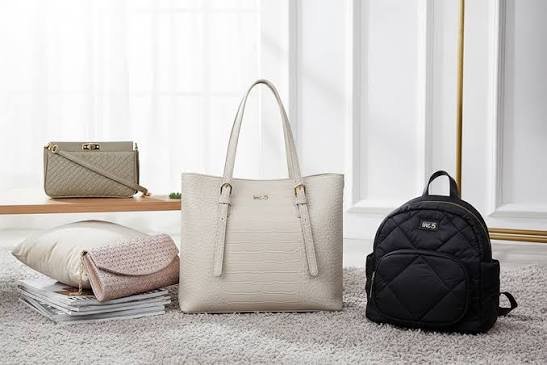
Think about the visual weight of your clothing, shoes, and accessories together. Balance generally creates a more intentional appearance.
Handbag Trends vs. Timeless Styles
Trendy handbags can be exciting, but trends may not remain popular for long. If you want maximum versatility, build your collection around classic shapes and add trendy pieces gradually.
A timeless handbag can be worn across several seasons and occasions. Trend-focused bags can then provide variety without becoming the foundation of your wardrobe.
Invest in Versatile Designs
A simple, well-made handbag with a classic silhouette can remain useful for years. Look for designs that work with multiple clothing styles rather than something that only suits one trend.
Consider how often you will realistically use the bag. A versatile everyday handbag can provide more value than a highly distinctive piece that rarely leaves your closet.
Common Handbag Buying Mistakes
One common mistake is choosing a handbag based entirely on appearance without considering functionality. A bag may look beautiful but fail to meet your practical needs.
Another mistake is buying a size that encourages you to carry too much. Large bags can quickly become heavy when filled with unnecessary items.
Buying Without Checking Measurements
Never rely solely on photos when purchasing online. Check the actual dimensions and compare them with the items you plan to carry.
For laptop bags or work totes, measure your device before buying. This simple step can prevent disappointment and unnecessary returns.
Ignoring Strap Quality
Straps and handles receive significant stress, particularly when the bag is used daily. Weak stitching or uncomfortable straps can quickly become a problem.
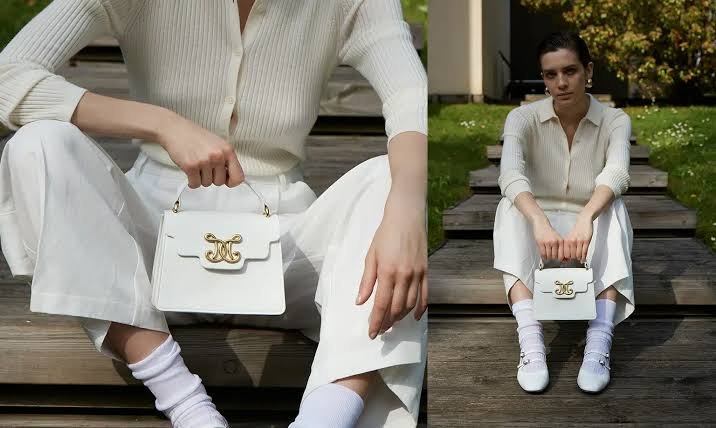
Inspect attachment points and consider whether the strap length suits your body and carrying preferences. Adjustable straps provide additional flexibility.
How to Organize Your Handbag
Good organization can make any handbag more useful. Keep frequently used items in consistent locations so you can find them quickly.
Small pouches can help separate cosmetics, cables, cards, or other small objects. Regularly remove receipts, packaging, and items you no longer need.
Keep Only the Essentials
A lighter handbag is usually more comfortable. At the end of each week, empty unnecessary items and check what you actually use.
This habit can also extend the life of your bag because carrying less weight reduces stress on handles, straps, and seams.
Building a Practical Handbag Collection
You do not need dozens of handbags to have a versatile collection. A few carefully selected styles can cover most situations.
A practical collection might include one everyday crossbody or shoulder bag, one larger work tote, one versatile evening bag, and one statement option. The exact combination should reflect your lifestyle.
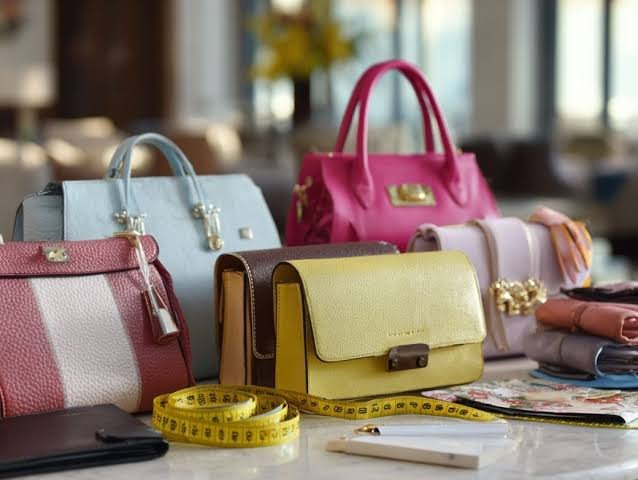
Choose Based on Your Lifestyle
Someone who works in an office may need a larger professional bag, while someone who works remotely may have little use for one. Similarly, frequent travelers may benefit from secure crossbody styles.
Think about the situations you actually experience rather than building a collection based on what looks impressive online.
Caring for Your Handbags
Proper care can extend the life of a handbag. Store bags away from excessive moisture, direct sunlight, and unnecessary pressure.
Follow the manufacturer’s cleaning recommendations for the specific material. Avoid using cleaning products that could damage the surface or alter its color.
Store Bags Properly
When not in use, maintain the bag’s shape where appropriate and avoid placing heavy objects on top of it. Structured bags may benefit from gentle internal support during storage.
Keep handbags in a clean, dry location. Simple storage habits can help prevent scratches, deformation, and unnecessary wear.
PAA: People Also Ask
What size handbag is best for everyday use?
A medium-sized handbag is often a practical choice because it can hold daily essentials without becoming excessively bulky. The ideal size depends on what you normally carry.
What color handbag is most versatile?
Black, brown, beige, navy, gray, and other neutral colors are highly versatile. Choose the shade that works with the majority of your existing wardrobe.
Should a handbag match your shoes?
It does not need to match exactly. Coordinating colors or tones can create harmony, but complementary combinations can look more modern and relaxed.
What handbag is best for work?
Structured totes, satchels, and larger shoulder bags can work well for professional settings. Choose based on the amount of storage and organization you need.
What handbag should I take to a wedding?
A compact clutch, small shoulder bag, or elegant top-handle bag can work well. Choose the style according to the formality and your outfit.
FAQ: Choosing the Right Handbag
How many handbags should I own?
There is no ideal number. A small collection of versatile bags can be enough if each one serves a different purpose and works with your wardrobe.
Is a crossbody bag good for everyday use?
Yes. Crossbody bags are convenient because they allow hands-free movement and can be comfortable for shopping, commuting, travel, and casual activities.
Are expensive handbags worth buying?
An expensive handbag may be worthwhile if it provides the quality, design, durability, and functionality you genuinely need. Price alone does not guarantee that a bag is right for you.
How do I choose a handbag for my body proportions?
Consider the visual scale of the bag compared with your overall frame and clothing. Extremely small or extremely large bags may create stronger visual contrast, while medium-sized designs often offer balance.
What should I carry in an everyday handbag?
Carry only the essentials you regularly use, such as your phone, wallet, keys, personal items, and any necessary cosmetics or accessories. Avoid filling the bag simply because there is extra space.
Are neutral handbags better than colorful ones?
Neutral handbags generally provide greater versatility, while colorful bags can add personality and become statement pieces. A balanced collection can include both.
How do I know if a handbag is good quality?
Look at stitching, seams, handles, straps, hardware, closures, lining, and overall construction. A well-made bag should feel sturdy and function smoothly.
Can one handbag work for multiple occasions?
Yes. A simple medium-sized neutral handbag can work for casual outings, smart-casual settings, and some professional situations. Formal events may still require a smaller evening bag.
Conclusion
Choosing the right handbag is about finding the balance between style, comfort, size, functionality, and personal preference. Different handbag styles serve different purposes, so understanding when and where you will use a bag is one of the most important steps. Whether you need a spacious work tote, a practical crossbody, an elegant evening bag, or a versatile everyday shoulder bag, the best choice is one that fits naturally into your lifestyle.
Instead of buying handbags simply because they are trendy, focus on versatile designs that complement your existing wardrobe and meet your practical needs. Pay attention to size, , color, construction, comfort, and organization, and take care of your bags once you own them. With a thoughtful approach, even a small handbag collection can provide stylish and practical options for work, travel, everyday activities, and special occasions.