
Personal style changes naturally as people move through different stages of life. The clothes that feel exciting during the teenage years may not feel practical later, while the styles that become favorites in adulthood may have been completely overlooked earlier. These changes are not signs that fashion becomes less important with age. Instead, they show how personal style develops alongside lifestyle, confidence, and individual preferences.
There is no universal age at which someone should stop wearing a particular color, silhouette, or fashion trend. Good style is not about following strict age-based rules. It is about understanding what makes you feel comfortable, confident, and authentic while choosing clothing that suits your current lifestyle. By adapting your wardrobe thoughtfully, you can maintain a strong sense of personal style at every stage of life.
Why Personal Style Changes With Age
Personal style often evolves because daily life changes. Students may prioritize comfort, experimentation, and affordability, while working adults may need clothing that works for professional environments. Later in life, people may place greater importance on comfort, quality, practicality, and pieces that reflect their established preferences.
These changes do not mean that fashion has to become boring or predictable. Instead, they provide opportunities to refine your wardrobe. Understanding your lifestyle and identifying what you genuinely enjoy wearing can help you build a style that grows with you instead of becoming restricted by age.
Lifestyle Influences Fashion
Your daily activities have a major effect on the clothing you need. Work, education, family responsibilities, travel, social activities, and hobbies can all influence your wardrobe.
A useful wardrobe should support the life you actually live. Rather than copying another person’s style, consider which clothing makes your everyday routine easier while still allowing you to express your personality.
Confidence Changes Over Time
Confidence can also influence fashion choices. Younger people may experiment more freely, while adults may become more selective about trends and silhouettes.
With experience, many people become better at recognizing what colors, fabrics, and fits they genuinely enjoy. This can make personal style more consistent and intentional.
Fashion for Teenagers
The teenage years are often a period of experimentation. Young people may explore different aesthetics, trends, colors, and influences while trying to understand what feels authentic.
Because personal style is still developing, teenagers do not need to create a permanent wardrobe. Experimentation can be valuable because it allows them to discover what they like and what they do not.
Experiment With Trends
Teenagers can use affordable trend pieces to explore different styles without making major investments. Denim, graphic tops, sneakers, casual jackets, accessories, and seasonal colors can all provide opportunities to experiment.
The goal should not be to follow every trend. Instead, try different looks and pay attention to which ones make you feel comfortable and confident.
Focus on Comfortable Basics
A strong collection of basics can make experimenting easier. Simple jeans, trousers, T-shirts, sweaters, hoodies, casual shirts, and versatile shoes can support many different outfits.
Comfort is especially important because teenagers often have busy schedules involving school, activities, social events, and movement throughout the day.
Fashion in Your Twenties
Your twenties can be a period of significant lifestyle change. Education, first jobs, social events, travel, and new responsibilities may all require different types of clothing.
This is a useful stage for developing a more defined personal style. Instead of simply copying trends, start identifying the colors, silhouettes, fabrics, and outfit combinations that consistently work for you.
Build a Versatile Wardrobe
Focus on pieces that can transition between different situations. A well-fitting blazer, versatile trousers, jeans, shirts, simple dresses, sweaters, and reliable footwear can provide a strong foundation.
Versatility becomes particularly valuable when your schedule changes frequently. One piece that can be styled casually or more formally provides greater value than something suitable for only one occasion.
Learn to Dress for Different Settings
Your twenties may introduce you to interviews, workplaces, weddings, dinners, travel, and social events. Learning how to adjust your clothing for different environments is an important part of developing personal style.
You do not need a separate wardrobe for every occasion. Learn how accessories, footwear, jackets, and layering can change the formality of existing pieces.
Fashion in Your Thirties
In your thirties, personal style often becomes more intentional. Many people become more selective about purchases and start valuing quality, fit, versatility, and longevity.
This does not mean abandoning trends. Instead, trends can become accents within a wardrobe that already has a strong foundation.
Invest in Better Foundations
Well-fitting trousers, quality outerwear, comfortable shoes, versatile bags, and polished basics can become important wardrobe investments.
Choose pieces based on how frequently you will use them. A high-quality item that works across many outfits can provide greater practical value than multiple pieces that only suit one trend.
Keep Fashion Fun
It is easy to become overly focused on practicality, but personal style should still include creativity. Use accessories, colors, interesting textures, and seasonal trends to keep your wardrobe fresh.
You do not need to dress conservatively simply because you are older than you were in your twenties. The goal is to refine your style rather than remove personality from it.
Fashion in Your Forties
The forties can be an excellent stage for confident personal style. By this point, many people have a clearer understanding of what they enjoy wearing and what fits their lifestyle.
Instead of chasing every new trend, focus on creating outfits that feel polished, comfortable, and authentic. A refined wardrobe can still be modern and expressive.
Choose Quality and Fit
Fit becomes particularly important when creating polished outfits. Well-fitting clothing can make even simple combinations appear sophisticated.
Look for fabrics and constructions that feel comfortable and maintain their shape. Quality does not always require luxury prices, but thoughtful selection can make a noticeable difference.
Use Trends Selectively
Choose current trends that genuinely appeal to you. A fashionable handbag, shoe, jacket, color, or silhouette can update a classic wardrobe without requiring a complete transformation.
This approach keeps your style contemporary while maintaining consistency with your personal preferences.
Fashion in Your Fifties
Fashion in your fifties can combine confidence, sophistication, comfort, and individuality. At this stage, there is no reason to abandon style or restrict yourself to a narrow definition of appropriate clothing.
Instead, focus on garments that make you feel good and support your lifestyle. The best wardrobe should reflect your personality rather than assumptions about what someone in their fifties should wear.
Emphasize Comfortable Elegance
Comfort and elegance can exist together. Soft fabrics, relaxed tailoring, well-designed knitwear, comfortable footwear, and flattering silhouettes can create polished outfits without unnecessary discomfort.
Choose clothing that allows natural movement and works for the activities you regularly enjoy.
Refine Your Color Choices
If you have developed favorite colors over the years, use them as part of your signature style. You can combine familiar shades with seasonal accents to keep outfits fresh.
There is no requirement to avoid bright colors because of age. Color should be selected according to personal preference, complexion, outfit coordination, and confidence.
Fashion in Your Sixties and Beyond
Personal style can remain expressive and modern at any age. In later life, many people prioritize comfort, quality, easy maintenance, and functionality, but these practical needs do not prevent stylish dressing.
A well-chosen wardrobe can combine classic pieces with contemporary details. The result can feel current without requiring constant attention to fashion trends.
Prioritize Comfort Without Sacrificing Style
Comfortable shoes, breathable fabrics, easy closures, relaxed silhouettes, and practical layers can make everyday dressing easier.
Look for garments that move naturally and suit your activities. Clothing should support your lifestyle rather than create unnecessary physical restrictions.
Use Accessories for Personality
Accessories can be an excellent way to express personal style. Scarves, bags, jewelry, eyewear, watches, belts, and shoes can add personality without requiring a completely new wardrobe.
A distinctive accessory can also make a simple outfit feel more intentional and polished.
Age Is Not a Fashion Rule
One of the biggest misconceptions about age and fashion is that certain clothes automatically become inappropriate after a certain birthday. In reality, clothing choices depend on context, fit, comfort, and personal preference.
Age can influence what is practical, but it does not need to dictate what you are allowed to enjoy. Fashion should provide opportunities for expression rather than unnecessary restrictions.
Replace Rules With Proportion
Instead of asking whether a particular item is appropriate for your age, consider whether the fit, styling, and overall proportions work for you.
A garment can look completely different depending on what you pair with it. The right jacket, footwear, or accessory can make a trend feel polished and personal.
How to Build a Personal Style
Developing personal style requires experimentation and observation. Pay attention to outfits you naturally gravitate toward and identify repeated patterns.
You may notice that you consistently prefer neutral colors, relaxed clothing, tailored pieces, denim, classic silhouettes, bold accessories, or particular types of footwear.
Identify Your Signature Elements
Choose a few elements that represent your style. These might include a favorite color palette, a particular type of jacket, statement accessories, or a preferred silhouette.
These signature elements make shopping easier because you know what belongs in your wardrobe and what does not.
Create Reliable Outfit Formulas
An outfit formula is a combination that consistently works for you. For example, you might prefer trousers with a simple shirt and structured jacket, or jeans with knitwear and sneakers.
Having several formulas reduces decision-making while still leaving room for experimentation.
Dressing for Changing Body Proportions
Bodies naturally change throughout life, and clothing should adapt accordingly. The goal is not to force your body into old clothing standards but to find current fits that feel comfortable and look balanced.
Different cuts may become more appealing at different stages. Experiment with rises, lengths, sleeve shapes, waist placement, and garment volume.
Prioritize Current Fit
Do not hold onto the idea that a particular size or silhouette must always suit you. Your wardrobe should fit the body you have now.
A garment that fits correctly can improve comfort and confidence. If a favorite item is close to fitting properly, tailoring may also help extend its usefulness.
Choosing Fabrics for Different Ages and Lifestyles
Fabric choice becomes increasingly important when comfort and practicality are priorities. Natural and blended fabrics can provide different levels of softness, breathability, warmth, stretch, and durability.
The best choice depends on climate and lifestyle rather than age alone.
Choose Fabrics for the Environment
Lightweight breathable fabrics can be useful in warmer weather, while wool, fleece, knitwear, and layered materials can provide warmth in colder conditions.
Consider how easy a fabric is to care for. Clothing that requires excessive maintenance may not be practical for everyday life.
The Role of Footwear
Footwear can change both the appearance and comfort of an outfit. As lifestyle needs change, people may become more interested in supportive, practical, and versatile footwear.
This does not mean sacrificing style. Many modern footwear options combine comfort with attractive design.
Build a Versatile Shoe Collection
A practical collection might include comfortable everyday sneakers, polished shoes, seasonal footwear, and an option for formal occasions.
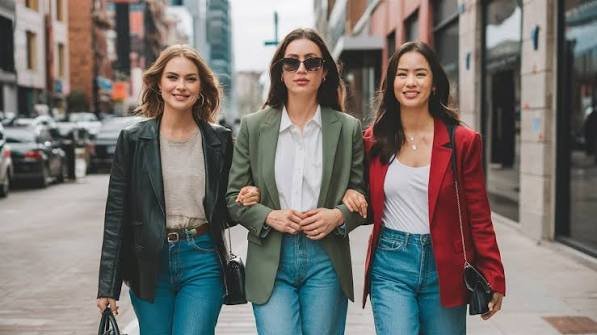
Choose shoes according to your actual activities. A beautiful pair that causes discomfort is unlikely to become a useful wardrobe staple.
Accessories Across Different Age Groups
Accessories can evolve alongside personal style. Younger people may enjoy bold experimentation, while adults may prefer carefully selected pieces, but there is no universal rule.
The most important consideration is whether an accessory feels authentic and works with the outfit.
Use Accessories to Update Basics
A classic outfit can look different simply by changing the bag, belt, jewelry, scarf, sunglasses, or shoes.
This is a cost-effective way to refresh your wardrobe without buying large amounts of clothing.
How to Dress Appropriately Without Losing Personality
Dressing appropriately for an occasion does not require abandoning your personal style. Whether you are attending a wedding, working in an office, or going to a casual gathering, you can adapt your signature elements to the setting.
A person who loves bold colors can choose a subtle version for professional situations, while someone who prefers minimalism can maintain that aesthetic at formal events.
Adapt Instead of Transform
Think of occasion dressing as adjusting your existing style rather than becoming a completely different person.
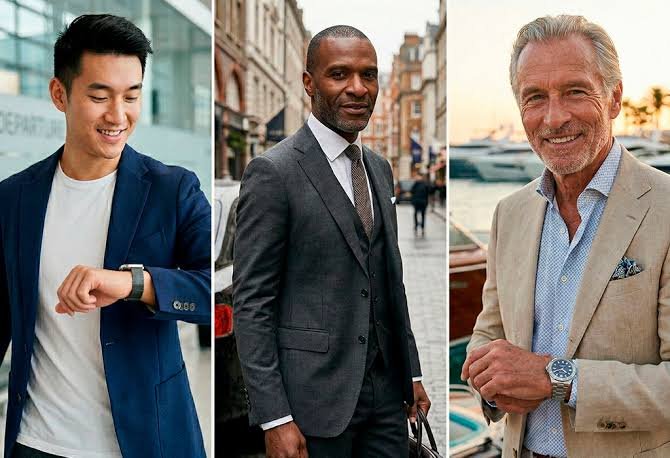
Change the level of formality through fabrics, footwear, accessories, and layering. This approach creates consistency and makes your wardrobe easier to manage.
Shopping Smarter at Every Age
Shopping habits can become more intentional as personal style develops. Instead of buying clothing simply because it looks good in a store or online, consider whether it fills a genuine need.
Before purchasing, think about how often you will wear it, what existing pieces it works with, and whether it fits your current lifestyle.
Use the Three-Question Test
Ask yourself: Do I genuinely like this? Can I style it with what I already own? Will I realistically wear it?
If the answer is mostly yes, the item may be a useful addition. If not, waiting may be the smarter choice.
Quality vs. Quantity
A wardrobe does not need to become larger as you get older. In many cases, a smaller collection of carefully selected clothing can provide more outfit options.

Quality should be considered alongside price. An affordable item can be excellent quality, while an expensive item may not always be the right choice.
Build a Functional Wardrobe
Focus on clothing that works together. Versatile pieces allow you to create many outfits without owning excessive amounts of clothing.
Regularly review your wardrobe and remove pieces that no longer fit, feel comfortable, or match your current lifestyle.
Dressing With Confidence
Confidence is one of the most important elements of personal style. Clothing can support confidence, but confidence does not come from following fashion rules perfectly.
Wear clothing that allows you to move naturally and express your personality. When an outfit feels authentic, your body language often becomes more relaxed and comfortable.
Stop Comparing Your Style
Social media can create unrealistic expectations about how people should dress at different ages. Remember that online fashion often represents curated images rather than ordinary daily life.
Use fashion inspiration selectively. Take ideas that genuinely appeal to you and adapt them to your own wardrobe and circumstances.
Seasonal Fashion at Every Age
Seasonal trends can be enjoyed throughout life. The difference is usually in how you incorporate them rather than whether you are allowed to wear them.
You can introduce trends through colors, accessories, fabrics, layering, or one statement garment.
Update Without Rebuilding
There is no need to replace your wardrobe every season. Keep versatile basics and add a few current pieces when they genuinely complement your existing clothing.
This approach saves money, reduces clutter, and helps maintain a consistent personal style.
Fashion Mistakes to Avoid
One common mistake is dressing according to age stereotypes instead of personal preference. Another is keeping clothing that no longer fits simply because it worked well in the past.
Other problems include buying excessive trends, ignoring comfort, wearing inappropriate clothing for an occasion, and choosing garments that do not work with the rest of the wardrobe.
Learn From Your Wardrobe
Pay attention to the clothes you actually wear. These pieces can reveal what fits your lifestyle and preferences.
Use that information when shopping. Your most-worn clothing often provides better guidance than fashion rules found online.
PAA: People Also Ask
Does fashion change as you get older?
Personal style often changes as lifestyle, confidence, preferences, and practical needs evolve. However, there are no strict rules requiring certain styles at particular ages.
What should I wear at different ages?
Wear clothing that suits your lifestyle, body, comfort, personal preferences, and the occasion. Age alone should not determine your wardrobe.
Can older adults still follow fashion trends?
Absolutely. Trends can be incorporated through colors, accessories, footwear, layering, and selected garments while maintaining a personal aesthetic.

How can I develop personal style?
Identify the colors, silhouettes, fabrics, and outfit combinations you naturally enjoy. Experiment, observe what works, and gradually build a wardrobe around those preferences.
Should fashion become more conservative with age?
Not necessarily. Style can become more refined or practical, but individuals should choose clothing according to their own personality and comfort.
FAQ: Fashion for Different Age Groups
What are the best clothes for teenagers?
Comfortable basics combined with affordable trend pieces are useful for teenagers. Jeans, T-shirts, casual shirts, sweaters, sneakers, and versatile layers can create many combinations.
How should someone in their twenties dress?
There are no fixed rules. A versatile wardrobe that supports education, work, social events, and everyday activities can provide a strong foundation.
What should be prioritized in your thirties?
Fit, quality, versatility, comfort, and lifestyle suitability can become increasingly valuable. Trends can still be included through selected pieces and accessories.
Can someone in their forties wear youthful fashion trends?
Yes. The key is styling the trend in a way that feels authentic and suits the individual. Age does not automatically make a trend inappropriate.
What is important when dressing in your fifties?
Comfort, fit, quality, and personal expression can all be important. Classic pieces can be combined with modern colors, accessories, and silhouettes.
Can people over sixty still dress fashionably?
Absolutely. Stylish clothing can be comfortable, practical, modern, and expressive at any age.
Should older people avoid bright colors?
No. Bright colors can be worn at any age. The choice should depend on personal preference, coordination, and confidence rather than an age-based rule.
How can I look stylish without dressing too young or too old?
Focus on fit, proportion, quality, and personal preference. Combine contemporary elements with pieces that naturally reflect your established style.
Is personal style more important than fashion trends?
Yes. Trends can provide inspiration, but personal style creates consistency and authenticity. The best wardrobe usually combines timeless preferences with selected current trends.
Conclusion
Fashion at different stages of life is ultimately about evolution rather than restriction. Teenagers can experiment, people in their twenties can explore and build versatility, adults can refine their wardrobes, and older individuals can continue expressing personality through clothing. Every stage offers opportunities to discover new colors, silhouettes, fabrics, accessories, and styling techniques. There is no universal list of clothing that becomes inappropriate simply because of age.
The strongest personal style comes from understanding yourself rather than following stereotypes. Build your wardrobe around comfort, fit, lifestyle, confidence, and pieces you genuinely enjoy wearing. Use trends as inspiration, invest in versatile clothing when appropriate, and allow your style to change naturally as your life changes. When fashion reflects who you are rather than how old you are, getting dressed becomes more confident, and authentic.