
Fashion trends change constantly, with new colors, silhouettes, fabrics, prints, and styling ideas appearing every season. While following seasonal fashion can be exciting, it can also create the impression that you need to replace your wardrobe every few months. Buying completely new clothes whenever trends change is expensive, and often unnecessary.
The smarter approach is to treat seasonal trends as additions to your existing personal style rather than replacements for it. With a few carefully selected pieces, creative layering, updated accessories, and thoughtful styling, you can make your current wardrobe feel fresh without starting from scratch. The key is learning how to identify trends that work with what you already own and introducing them in a controlled way.
Why You Do Not Need a New Wardrobe Every Season
The fashion industry constantly introduces new trends, but not every trend deserves a permanent place in your closet. Many seasonal trends are simply updated versions of existing ideas, such as a new color variation, slightly different silhouette, or refreshed styling technique.
Instead of treating each season as a reason to shop from scratch, look at your current wardrobe first. You may already own several pieces that can easily be styled with current trends. Updating how you combine those pieces can create a surprisingly modern appearance.
Start With What You Own
Before shopping for new clothing, take time to review your wardrobe. Look for basics, statement pieces, accessories, jackets, shoes, and other items that could work with current seasonal trends.
You may discover forgotten pieces that suddenly feel relevant again. A simple blazer, denim jacket, neutral trousers, or classic handbag can often be transformed through updated styling.
Separate Essentials From Trends
Your wardrobe should have a strong foundation of versatile pieces that are not dependent on seasonal fashion. These items can include jeans, trousers, simple shirts, sweaters, neutral tops, jackets, and practical shoes.
Trendy pieces can then be used as accents. This makes your wardrobe more flexible because you only need to update a small percentage of your clothing to create a current look.
Choose Trends That Match Your Personal Style
Not every trend will suit your personality or lifestyle. A trend may look impressive in a fashion campaign but feel completely unnatural when you wear it.
The goal is not to follow every trend. Instead, identify trends that naturally connect with your existing style. If you prefer classic clothing, for example , you may enjoy updated tailoring or new neutral shades more than dramatic statement pieces.
Look for Familiar Elements
When a trend appears, identify the part of it that appeals to you. Perhaps you like the color but not the silhouette, or the fabric but not the overall outfit.
Once you isolate the element you like, you can introduce it in a smaller and more wearable way. This gives you the opportunity to participate in a trend without changing your entire aesthetic.
Consider Your Lifestyle
A trend should also fit your daily life. If your routine is mostly casual, investing in highly formal seasonal pieces may not be practical.
Think about where you spend most of your time and choose trends that can realistically be incorporated into those situations. Fashion becomes much more useful when it works with your actual lifestyle.
Use Accessories to Update Outfits
Accessories are one of the easiest ways to introduce seasonal trends without buying large amounts of clothing. A new handbag, belt, scarf, sunglasses, jewelry, or pair of shoes can completely change an existing outfit.
Because accessories are usually smaller investments than complete outfits, they also allow you to experiment with trends more comfortably. If a trend disappears quickly, replacing one accessory is much easier than replacing an entire wardrobe.
Try Trendy Bags and Shoes
A seasonal handbag or modern shoe style can instantly update basic clothing. You can wear the same jeans, shirt, and jacket while changing only the accessories.
This approach is particularly effective when your wardrobe is built around neutral colors. A statement accessory can become the focal point while the rest of the outfit remains timeless.
Experiment With Smaller Details
If you are unsure about a trend, start with subtle accessories. A scarf in a fashionable shade, a modern belt, or simple statement jewelry can introduce the trend without overwhelming your appearance.
Small details can have a surprisingly strong effect. They can make familiar clothing feel new while allowing you to maintain your personal style.
Update Your Color Palette
Seasonal colors can make an old wardrobe feel fresh without requiring new silhouettes. If a particular shade becomes popular, you do not necessarily need to buy multiple garments in that color.
Instead, introduce the shade through one or two carefully selected pieces or accessories. A trendy color can then be combined with neutral items you already own.
Use Trend Colors as Accents
A colorful handbag, sweater, scarf, belt, or shoe can bring a seasonal shade into an otherwise neutral outfit.
This is especially useful if you prefer classic clothing. The trend becomes an accent rather than taking over your entire wardrobe.
Combine New Colors With Existing Neutrals
Neutral shades such as black, white, beige, gray, navy, brown, and cream can work as foundations for many seasonal colors.
For example, a new seasonal shade can be paired with neutral trousers and a simple top. This creates a modern appearance without requiring multiple new purchases.
Experiment With Layering
Layering is another excellent way to update existing clothing. The same shirt, dress, sweater, or jacket can look completely different when combined with other pieces.
Seasonal trends often influence how garments are layered rather than requiring entirely new clothing. Changing the order, proportions, or combination of your existing pieces can produce a fresh silhouette.
Add a Trendy Layer
A lightweight jacket, cardigan, vest, overshirt, or modern blazer can introduce a seasonal shape while working with clothing you already own.
Choose a layer that complements several existing outfits. This gives you more styling possibilities and reduces the need for additional purchases.
Play With Proportions
Try changing the relationship between your clothing layers. A fitted base can work with a relaxed outer layer, while a shorter jacket can create a different visual proportion with wide-leg trousers.
Small proportion changes can make familiar garments feel completely different. Experiment before deciding that you need new clothes.
Refresh Your Denim
Denim trends often change through differences in leg shape, rise, washes, and styling. You do not necessarily need to replace every pair of jeans whenever a new silhouette becomes popular.
Instead, experiment with how you style the denim you already own. Changing your shoes, top, jacket, or accessories can help an older pair feel more current.
Style Existing Jeans Differently
Try pairing classic jeans with a modern jacket, statement shoes, or a different type of top. A simple change in proportions can create a fresh look.
You can also experiment with cuffing, tucking, layering, and different footwear. Styling techniques can sometimes update denim more effectively than purchasing a new pair.
Add One Updated Denim Piece
If you genuinely want to experiment with a new denim trend, consider purchasing just one piece. It could be a different silhouette, jacket, or wash that works with several items you already own.
One new denim piece can provide many new combinations without creating unnecessary wardrobe duplication.
Use Shoes to Change the Mood
Shoes have a strong influence on the overall character of an outfit. The same trousers and shirt can appear casual, polished, sporty, or fashion-forward depending on the footwear.
This makes shoes an effective tool for introducing seasonal trends. Rather than purchasing new clothing, consider whether a different shoe style could update your existing outfits.
Balance Trendy Shoes With Simple Clothing
A statement shoe can work particularly well with basic clothing. Simple jeans and a plain shirt can provide a clean background for a more distinctive pair of shoes.
This approach keeps the outfit balanced. The shoes become the modern element while the rest of the outfit remains familiar and wearable.
Try New Styling Techniques
Sometimes the newest fashion trend is not a new garment at all. It may be a new way of wearing something you already own.
Rolling sleeves, changing shirt proportions, layering unexpected pieces, tucking clothing differently, or adjusting how an accessory is worn can change an outfit dramatically.
Re-style Familiar Pieces
Take a garment you wear regularly and style it in three different ways. Try changing the shoes, accessories, layers, or proportions each time.
This simple exercise can reveal combinations you have never considered. It can also reduce the temptation to shop whenever you feel your wardrobe has become repetitive.
Change How You Tuck Clothing
The way a shirt or sweater is tucked can affect the overall silhouette. A full tuck, partial tuck, or untucked style can create different proportions.
Experiment with these options based on the garment and outfit. Sometimes a small adjustment can make an older piece feel much more current.
Introduce Trends Through Outerwear
Outerwear can have a major visual impact because it is often one of the first things people notice. A modern coat, jacket, trench, or blazer can update basic clothing underneath.
You do not need multiple new outerwear pieces every season. One versatile design can often work with many existing outfits.
Choose Versatile Trend Pieces
If you purchase seasonal outerwear, choose something that reflects the trend while remaining wearable beyond one season.
A contemporary silhouette in a neutral or versatile color can provide both current style and long-term usefulness.
Mix Trendy and Classic Pieces
One of the easiest ways to avoid looking like you are wearing a complete trend-based outfit is to combine modern pieces with classic ones.
A trendy top can be paired with classic trousers, while a traditional blazer can be combined with more modern denim or footwear. This creates contrast and makes the outfit feel personal.
Follow the One-Trend Rule
If you are unsure how much trend is too much, start by focusing on one major trend in an outfit.
Once you become comfortable, you can experiment with combining multiple trends. However, one strong statement is often enough to make an outfit feel current.
Shop With a Seasonal Strategy
Instead of shopping randomly, create a short seasonal shopping plan. Identify which areas of your wardrobe actually need updating and avoid buying items simply because they are currently popular.
A simple list can help you stay focused. Consider whether you need a new accessory, a layering piece, updated footwear, or a specific color.
Set a Shopping Limit
Decide how many seasonal pieces you genuinely want before shopping. This can prevent small impulse purchases from turning into a large collection of unnecessary clothing.
Your goal should be to add useful variety rather than maximum quantity. A few well-chosen pieces can create dozens of new combinations.
Look for Multiple Outfit Possibilities
Before buying a trend item, think of at least several outfits you can create with your current wardrobe.
If the item only works with one specific outfit, it may not provide enough value. Pieces that work across multiple combinations are usually better additions.
Use Layering for Transitional Weather
Seasonal changes can create unpredictable temperatures, making layering particularly practical. Instead of buying separate wardrobes for every temperature, use flexible combinations.
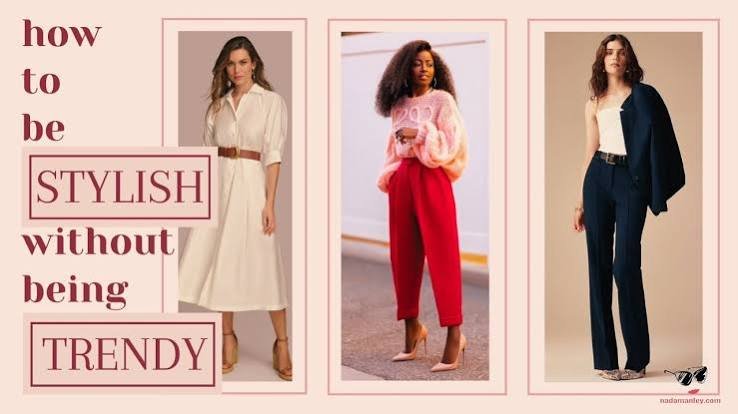
A lightweight shirt can work alone during warmer periods and under a sweater or jacket when temperatures fall. This increases the usefulness of existing clothing.
Build Removable Layers
Choose layers that can easily be added or removed throughout the day. Cardigans, lightweight jackets, overshirts, scarves, and vests can provide flexibility.
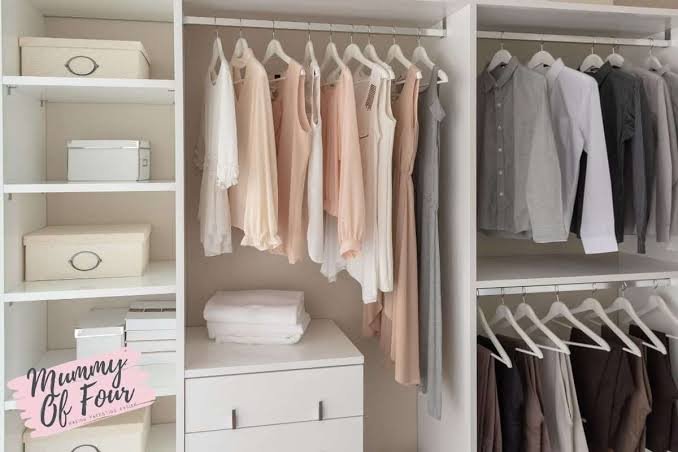
This strategy is both fashionable and practical because you can adapt your outfit without carrying an entirely separate wardrobe.
Make Old Clothes Feel New
Before buying anything, challenge yourself to create new outfits from older clothing. Combining pieces in unfamiliar ways can reveal the potential of your existing wardrobe.
Try mixing colors you rarely wear together, pairing formal and casual pieces, or using accessories differently.
Create Outfit Challenges
Choose one garment and create several outfits around it. For example, style one pair of trousers with casual, smart-casual, and more polished combinations.
This exercise can improve your styling skills while showing you that you may already have more outfit options than you realize.
Pay Attention to Proportion
Seasonal trends often change the shape and proportion of outfits. Instead of buying entirely new clothing, consider whether you can recreate a current proportion using pieces you already own.
For example, changing your top length or adding a shorter outer layer can alter the appearance of trousers or skirts without replacing them.
Balance Volume
If one part of your outfit is oversized, consider keeping another part more streamlined. Similarly, wide trousers can often benefit from a more defined upper silhouette.
These are not strict rules, but they can help create visual balance. Experiment to discover which proportions suit your personal style.
Know When to Skip a Trend
Not every trend deserves your attention. Some trends may be difficult to style, uncomfortable, impractical, or simply incompatible with your personal preferences.
Skipping a trend does not mean your wardrobe is outdated. Personal style is stronger when you choose trends intentionally rather than following everything automatically.
Ask Yourself Three Questions
Before buying a trend, ask whether you genuinely like it, whether it fits your lifestyle, and whether you can style it with existing clothing.
If the answer is no to most of these questions, there is probably no need to purchase it.
Invest in Versatile Basics
A strong foundation makes seasonal styling much easier. Basic pieces provide the flexibility needed to incorporate new trends without requiring a complete wardrobe replacement.
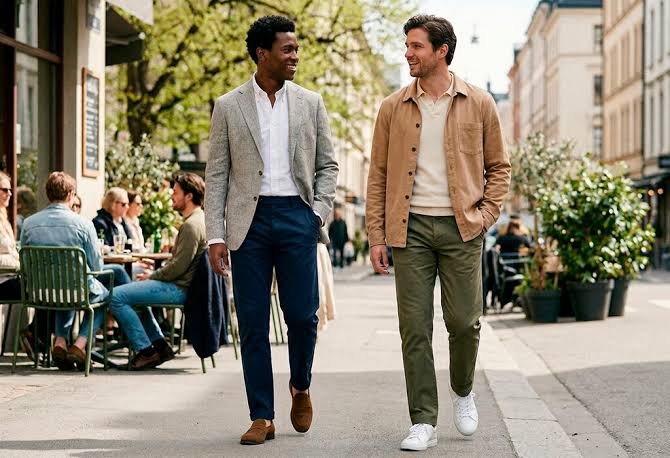
Good basics can include neutral trousers, jeans, simple shirts, sweaters, jackets, dresses, and versatile shoes.
Choose Quality Over Quantity
You do not need a huge collection of basics . A smaller number of well-fitting, versatile pieces can support many seasonal looks.
Focus on clothing that is comfortable, easy to combine, and suitable for your lifestyle. These pieces will continue to support trend-focused styling year after year.
Avoid Trend-Driven Overconsumption
Constantly buying new clothing can become expensive and create unnecessary wardrobe clutter. It can also make it harder to develop a consistent personal style.
Instead, view seasonal trends as inspiration. You can borrow ideas from current fashion while maintaining a wardrobe that is practical and recognizable as your own.
Create a Pause Before Buying
When you see a trend you like, wait before purchasing it. Think about whether you still want it after a few days and whether it genuinely fills a gap.
This short pause can prevent impulse purchases and help you focus on pieces that you will actually wear.
Build a Seasonal Capsule
A seasonal capsule does not need to contain a fixed number of garments. The idea is simply to select a group of pieces that work together during a particular period.
Choose a combination of basics, layers, footwear, and one or two seasonal elements. This creates variety while keeping your wardrobe manageable.
Rotate Instead of Replace
As the season changes, move suitable pieces into more frequent use rather than completely replacing your wardrobe.
For example, lighter layers can become more prominent in transitional weather while heavier pieces can be stored until needed. This makes seasonal dressing more economical and organized.
PAA: People Also Ask
How can I follow fashion trends without buying lots of clothes?
Use accessories, new styling techniques, updated color combinations, layering, and a few carefully selected trend pieces. You do not need to replace your basic wardrobe every season.
How many trendy pieces should I buy each season?
There is no fixed number, but a few versatile pieces are often enough. Focus on items that work with several clothes you already own.
Can old clothes still look fashionable?
Absolutely. Styling, proportions, accessories, footwear, and layering can make older garments feel current without replacing them.
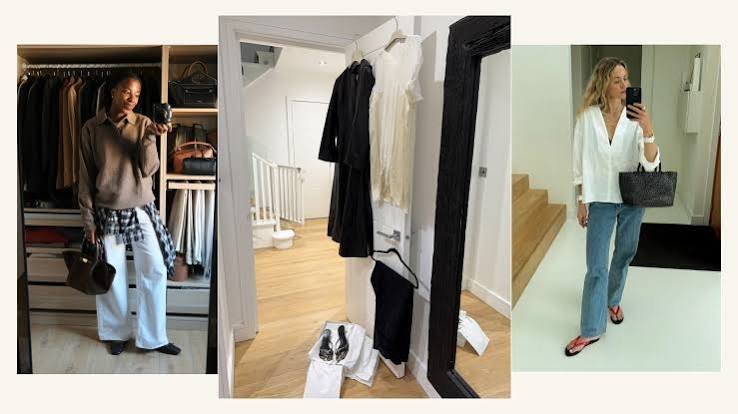
How do I know which trends are worth following?
Choose trends that suit your personal style, lifestyle, comfort, and existing wardrobe. You do not need to follow trends that do not feel natural to you.
What is the easiest way to update an old outfit?
Changing accessories or footwear is one of the easiest options. You can also experiment with layering, proportions, and different ways of styling the same garments.
FAQ: Styling Seasonal Trends
Do I need to buy new clothes every season?
No. A versatile wardrobe can work across multiple seasons. Add a small number of carefully selected trend pieces when you want a fresh update.
How can I make basic clothes look trendy?
Use current accessories, modern footwear, updated layering, seasonal colors, and new styling techniques. Good proportions can also make basic pieces look more contemporary.
Should I follow every fashion trend?
No. Fashion is personal. Choose trends that complement your style and lifestyle rather than trying to follow everything that becomes popular.
Are accessories a good way to follow trends?
Yes. Accessories are one of the easiest and often more affordable ways to experiment with seasonal fashion without significantly changing your wardrobe.
How can I style seasonal colors without buying lots of clothing?
Introduce the color through one accessory or a single garment and combine it with neutral pieces you already own.
Can one trendy item create multiple outfits?
Yes, especially if it is versatile. Before buying, consider whether the item can be paired with several existing pieces.
How do I avoid looking too trendy?
Combine one or two modern elements with classic or familiar clothing. This creates balance and allows your personal style to remain visible.
Is it better to buy trendy or timeless clothing?
A balanced wardrobe usually benefits from both. Timeless pieces provide the foundation, while a limited number of trendy items provide freshness and experimentation.
How can I save money while keeping up with fashion?
Shop less frequently, prioritize versatile items, restyle existing clothing, use accessories to update outfits, and avoid buying trends that do not fit your lifestyle.
Conclusion
Styling seasonal trends does not require rebuilding your entire wardrobe every few months. The smartest approach is to work with what you already own and introduce current fashion through small, intentional changes. Accessories, footwear, color, layering, denim styling, outerwear, and updated proportions can all make familiar clothing feel fresh. By choosing trends that complement your existing style, you can stay current without creating unnecessary expense or clutter.
A successful seasonal wardrobe is built on flexibility rather than constant replacement. Invest in versatile basics, experiment with different combinations, and add only those trend pieces that genuinely fit your lifestyle and personal preferences. When you treat trends as inspiration instead of instructions, you gain more freedom to develop a wardrobe that feels modern, practical, and uniquely yours.