
Layering is one of the easiest ways to make an outfit look more stylish while also making it practical for changing weather. Instead of wearing one heavy piece when temperatures drop, layering allows you to combine several lighter garments that can be added or removed throughout the day. A simple T-shirt, shirt, sweater, and jacket can create several different looks while keeping you comfortable.
Good layering is not simply about wearing more clothes. The goal is to create balance between different fabrics, lengths, and proportions. When each layer has a purpose, an outfit can look polished without appearing bulky or complicated. Whether you prefer casual, smart-casual, streetwear, or classic fashion, learning how to layer can make your existing wardrobe much more versatile.
What Is Fashion Layering?
Fashion layering means wearing multiple clothing pieces together to create a complete outfit. These layers can include T-shirts, shirts, sweaters, cardigans, vests, overshirts, jackets, coats, scarves, and other garments. The layers work together to provide warmth, texture, structure, and visual interest.
Layering is particularly useful during transitional seasons when temperatures can change throughout the day. However, it can also be used in summer with lightweight pieces or winter with warmer fabrics. The key is selecting layers that complement each other rather than simply adding garments randomly.
Why Layering Makes Outfits Better
Layering gives a simple outfit more depth. A plain T-shirt and jeans may look basic, but adding an overshirt or lightweight jacket can immediately make the combination feel more complete.
Layers also allow you to experiment with different styles without changing your entire wardrobe. The same T-shirt can be styled under a denim jacket, cardigan, blazer, or coat, creating a completely different appearance each time.
Layering Is About Function as Well as Style
One of the biggest advantages of layering is flexibility. If you become warm, you can remove a layer. If the temperature drops, you can put it back on. This makes layered outfits particularly useful when moving between outdoor and indoor environments.
Good layering should also allow comfortable movement. If every layer is extremely thick or restrictive, the outfit may become uncomfortable. Choosing lighter pieces that work together is usually more practical.
Start With a Good Base Layer
The base layer is the garment closest to your body. It provides the foundation for everything placed over it. T-shirts, tank tops, lightweight long-sleeve shirts, and thin thermal garments can all work as base layers depending on the season.
A good base layer should fit comfortably and avoid creating unnecessary bulk. If the base layer is too thick, every additional garment becomes more difficult to wear. Simple colors such as white, black, gray, cream, and navy are especially useful because they coordinate with many outer layers.
Choose Breathable Fabrics
The base layer should generally be comfortable against your skin and appropriate for the temperature. Cotton can work well for everyday casual outfits, while specialized breathable fabrics may be useful for active situations.
During colder weather, a lightweight insulating base layer can provide warmth without requiring extremely thick outer clothing. The goal is to create warmth gradually rather than relying entirely on one heavy garment.
Keep the Base Layer Simple
A simple base layer makes it easier to build the rest of the outfit. A plain white T-shirt under an open shirt or jacket is a classic example.
If you want the base layer to become part of the visual design, choose a subtle color or texture that complements the layers above it. Avoid using too many competing patterns at the foundation of the outfit.
Add a Middle Layer
The middle layer provides insulation and usually contributes significant visual interest. Sweaters, cardigans, flannel shirts, overshirts, hoodies, and vests can all function as middle layers.
This layer should complement the base garment while leaving enough room for the outer layer. If you plan to wear a coat over a sweater, for example, choose a sweater that is comfortable under the coat rather than extremely oversized.
Sweaters and Cardigans
Sweaters are among the most versatile middle layers. A crew-neck sweater can be worn over a T-shirt for a simple casual outfit, while a V-neck can work over a collared shirt.
Cardigans offer even more flexibility because they can be opened or closed depending on temperature. They also create vertical lines that can make an outfit feel more structured.
Shirts and Overshirts
A button-down shirt can work as either a traditional top or a lightweight middle layer. Wearing it open over a T-shirt creates an easy casual combination.
Overshirts are particularly useful because they are usually heavier than ordinary shirts but lighter than jackets. They can bridge the gap between summer and winter wardrobes.
Choose the Right Outer Layer
The outer layer is the final major piece and often becomes the most noticeable part of the outfit. Jackets, coats, trench coats, parkas, wool coats, and other outerwear can provide protection while completing the overall look.
The outer layer should be large enough to accommodate the clothing underneath without restricting movement. However, it should not be so oversized that the entire outfit loses its shape.
Jackets for Casual Layering
Denim jackets, bomber jackets, utility jackets, leather-style jackets, and lightweight field jackets can work well for everyday layering. They are especially useful during spring and autumn.
A simple jacket can transform an ordinary outfit into something more polished. Choose neutral colors if you want maximum versatility, or select one distinctive jacket if you want it to become a statement piece.
Coats for Colder Weather
During winter, a coat needs to provide warmth while still accommodating the layers underneath. Wool coats, insulated jackets, and weather-resistant outerwear can all serve different purposes.
When choosing a winter coat, consider both style and function. A coat should protect you from the weather rather than simply looking good. The best option is one that works with several outfits and suits your local climate.
Follow the Thin-to-Thick Principle
One of the simplest layering rules is to begin with thinner garments and gradually move toward thicker ones. A lightweight T-shirt can sit underneath a shirt, followed by a sweater and then a coat.
This structure prevents unnecessary bulk and makes movement easier. It also creates a natural visual progression from the innermost garment to the outermost layer.
Avoid Too Much Bulk
Wearing several heavy garments together can quickly make an outfit uncomfortable. Instead of combining a thick sweater with another heavy sweater and a bulky coat, choose lighter layers that collectively provide enough warmth.
A thin base layer, medium sweater, and suitable outer coat can often provide excellent warmth without creating the appearance of excessive clothing.
Use Color to Connect Your Layers
Color coordination is one of the most important parts of successful layering. You do not need every garment to match exactly, but the colors should feel connected.
Neutral colors make layering particularly easy. White, gray, black, navy, beige, brown, and cream can be combined in many ways. Once you are comfortable with neutrals, you can introduce stronger accent colors.
Try the Three-Color Rule
A useful starting point is to limit an outfit to approximately three main colors. This is not a strict fashion law, but it can help prevent layered outfits from becoming visually chaotic.
For example, a cream T-shirt, olive overshirt, and dark jeans create a simple palette. You could then add brown boots without introducing a completely unrelated color.
Use Contrast Carefully
Contrast can make layers easier to see. A light shirt beneath a dark sweater creates clear separation, while similar shades create a more subtle tonal appearance.
Both approaches can work. High contrast feels more noticeable, while tonal layering often looks sophisticated and understated.
Experiment With Different Lengths
Layering becomes more interesting when the lengths of the garments are slightly different. A T-shirt extending a little below an overshirt can create a casual layered effect.
Longer coats over shorter sweaters can create another form of visual balance. The important thing is avoiding accidental-looking proportions.
Let Some Layers Show
Layering only works visually when some layers are visible. You might show the collar of a shirt beneath a sweater, the hem of a T-shirt beneath an overshirt, or the cuffs of a shirt beneath a jacket.
These small details make the outfit look intentional. However, too many visible hems and collars can create clutter, so choose which layer you want to emphasize.
Mix Textures for Visual Interest
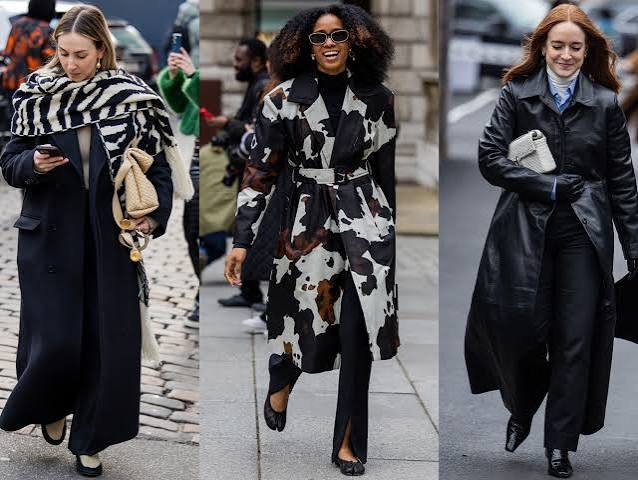
Texture can make layered outfits more attractive without requiring bold colors. Denim, knitwear, cotton, leather, corduroy, wool, canvas, and suede-style materials all create different visual effects.
Combining contrasting textures can make a simple outfit feel richer. For example, a smooth cotton T-shirt beneath a textured knit sweater and structured denim jacket creates depth without requiring a complicated pattern.
Avoid Too Many Heavy Textures
Although texture is useful, too many thick or visually strong materials can make an outfit feel overwhelming. If your outerwear has a strong texture, keep the layers underneath relatively simple.
Balance is the goal. One or two noticeable textures are often enough to make an outfit interesting.
Layering for Spring
Spring is one of the best seasons for experimenting with layers because temperatures can change quickly. Lightweight jackets, cardigans, overshirts, and long-sleeve shirts provide enough flexibility without creating excessive warmth.
A simple spring formula is a T-shirt, lightweight overshirt, straight-leg jeans, and sneakers. If temperatures fall, a light jacket can be added without making the outfit excessively heavy.
Use Lightweight Colors
Spring is a good time to introduce lighter colors such as cream, beige, light blue, soft green, and muted pink. These shades can refresh a layered outfit while keeping it relaxed.
You can also maintain darker basics and simply introduce one lighter layer. This allows your existing wardrobe to transition into spring without requiring a complete seasonal replacement.
Layering for Summer
Summer layering should focus on breathable, lightweight pieces. The purpose is often less about warmth and more about style, sun protection, or adapting to air-conditioned environments.
An open linen or cotton shirt over a simple T-shirt is an easy summer combination. Lightweight overshirts, relaxed trousers, and breathable footwear can create a layered appearance without becoming uncomfortable.
Keep Summer Layers Loose
A relaxed fit allows air to circulate and prevents multiple layers from feeling restrictive. Avoid combining several thick garments during hot weather.
Lightweight fabrics and simple silhouettes are generally more effective. You can remove the outer layer easily when temperatures rise.
Layering for Autumn
Autumn is ideal for combining different textures and medium-weight garments. Sweaters, denim jackets, overshirts, scarves, and boots can all become useful.
A T-shirt under an overshirt with a lightweight jacket is a practical combination for changing temperatures. As the season becomes colder, the T-shirt can be replaced with a sweater or long-sleeve base layer.
Use Richer Colors
Autumn outfits can incorporate olive, rust, burgundy, camel, brown, navy, and charcoal. These colors work particularly well with denim and neutral basics.
You do not need to wear several autumn colors simultaneously. One rich accent color can be enough to make the outfit feel seasonal.
Layering for Winter
Winter layering requires more attention to warmth and fabric weight. The base layer provides comfort, the middle layer provides insulation, and the outer layer protects against cold, wind, or precipitation.
A practical winter combination might include a thermal base layer, sweater, coat, trousers, and boots. Depending on the weather, scarves, gloves, and hats can provide additional protection.
Do Not Forget the Accessories
Winter accessories are functional layers too. A scarf can add warmth while introducing color or texture, while gloves protect your hands without significantly affecting the overall silhouette.
Choose accessories that complement your outerwear. If the coat is already visually strong, simple accessories can create better balance.
Layering Casual Outfits
Casual layering should feel comfortable and effortless. Hoodies, T-shirts, flannels, denim jackets, overshirts, sneakers, and relaxed trousers are excellent starting points.
A hoodie under a denim or utility jacket creates a familiar streetwear-inspired combination. For a cleaner casual look, try a plain T-shirt, straight-leg jeans, and minimalist sneakers.
Balance Relaxed Pieces
If several pieces are oversized, make sure the overall silhouette still feels intentional. An oversized hoodie with relaxed jeans can work, but adding an extremely oversized jacket may create too much volume.
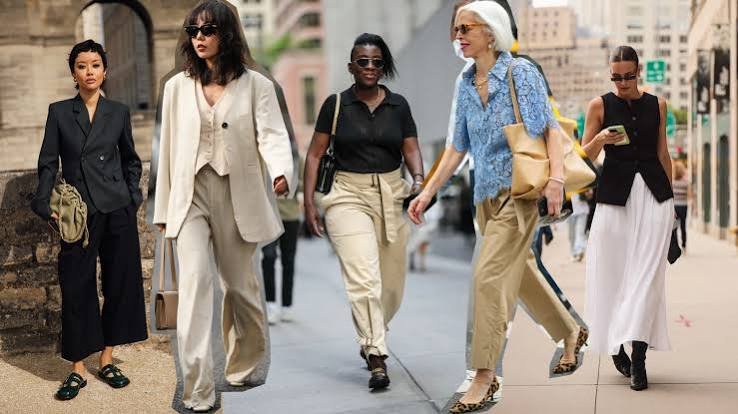
Balance can come from footwear, cropped outer layers, or slightly cleaner trousers. Experiment until the proportions feel natural.
Layering Smart-Casual Outfits
Layering is also useful for creating smart-casual outfits. A button-down shirt, lightweight sweater, tailored trousers, and loafers can create a polished combination without becoming fully formal.
A blazer can also serve as an outer layer over a shirt or knit top. The important thing is maintaining a balance between structured and relaxed pieces.
Combine Formal and Casual Elements
One of the most effective smart-casual techniques is mixing different levels of formality. Dark jeans with a blazer and clean sneakers create contrast between casual and polished clothing.
Similarly, tailored trousers can be worn with a knit sweater and casual shoes. This creates a sophisticated outfit without making it look like traditional businesswear.
Layering With Denim
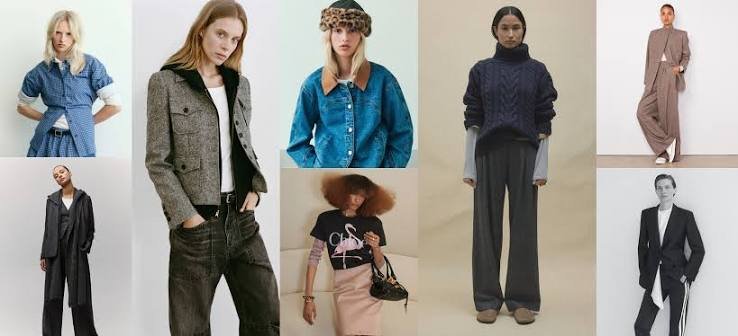
Denim is particularly useful for layering because it has enough structure to function as an outer or middle layer. Denim jackets can be worn over T-shirts, shirts, hoodies, and lightweight sweaters.
Denim shirts can also be worn open as overshirts
Double Denim Layering
Double denim can work when the denim pieces are separated visually. A light denim shirt with dark jeans or a dark denim jacket with lighter jeans can create a balanced combination.
Add a neutral T-shirt and simple footwear to keep the outfit from becoming too complicated. The goal is to make the denim combination look intentional.
Layering for Different Body Proportions
Layering can be adapted to different body proportions. The placement, length, and volume of each layer can influence the overall silhouette.
If you prefer a longer visual line, choose outer layers that fall naturally below the hips. If you want more definition, a tucked base layer or shorter jacket can create structure.
Balance Oversized Layers
Oversized clothing can look excellent when the proportions are deliberate. If you wear a large jacket, consider a cleaner base layer underneath.
Alternatively, an oversized sweater can work with straight-leg trousers and a shorter jacket. The goal is not to avoid oversized clothing but to control where the volume appears.
Common Layering Mistakes
A common mistake is adding too many layers without considering temperature, weight, or proportion. More clothing does not automatically create a better outfit.
Another problem is combining several patterns or strong colors at once. When every layer demands attention, the outfit can become visually confusing.
Too Many Patterns
If you wear a patterned shirt, consider keeping the sweater and outer layer relatively simple. A small pattern can work beneath a solid-colored jacket without creating unnecessary competition.
If you want multiple patterns, make sure they share related colors and have different scales. However, beginners may find it easier to start with one main pattern.
Ignoring Comfort
Style should never require constant adjustment. If your layers restrict movement, cause overheating, or feel uncomfortable, the outfit will not be practical.
Before leaving home, sit, walk, raise your arms, and check how the clothing feels. Practical comfort is one of the most important parts of successful layering.
Building a Layering-Friendly Wardrobe
A layering-friendly wardrobe should contain garments of different weights and lengths. Lightweight T-shirts, shirts, medium sweaters, overshirts, jackets, and coats can be combined in many ways.
Neutral colors make these combinations easier, while a few accent colors provide personality. You do not need dozens of items to create effective layers.
Essential Layering Pieces
Useful layering pieces include plain T-shirts, long-sleeve shirts, button-down shirts, sweaters, cardigans, hoodies, overshirts, denim jackets, blazers, coats, scarves, and versatile footwear.
The exact selection should depend on your climate and lifestyle. Choose pieces that you are comfortable wearing regularly rather than buying clothing simply because it is currently trendy.
How to Make Layering Look Effortless
The best layered outfits often appear effortless because the colors, proportions, and textures work naturally together. This usually comes from planning rather than randomly putting on multiple pieces.
Start with one foundation garment and build upward. Check each new layer for fit, color, and purpose. If the outfit starts feeling too complicated, remove one piece and see whether the result improves.
Know When to Stop
Not every outfit needs three or four layers. Sometimes a T-shirt and lightweight jacket are enough. Other times, a shirt, sweater, and coat may be necessary.
The number of layers should depend on weather, occasion, and visual balance. Good styling is not about adding as much as possible; it is about adding what the outfit actually needs.
PAA: People Also Ask
What is the basic rule for layering clothes?
Start with lightweight garments and gradually move toward thicker outer layers. Make sure each piece fits comfortably and that the colors, textures, and proportions work together.
How many layers should an outfit have?
There is no fixed number. Two or three clothing layers are often enough for everyday outfits, while colder weather may require additional layers and accessories.
Can you layer clothes in summer?
Yes. Summer layering can use lightweight, breathable pieces such as cotton or linen shirts over T-shirts. The purpose may be style, sun protection, or adapting to air-conditioned spaces.
How do I layer without looking bulky?
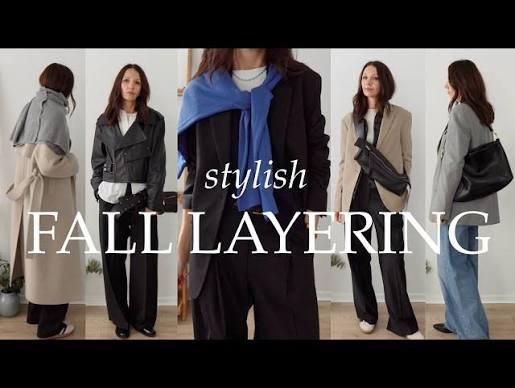
Use thin base layers, moderate middle layers, and an outer garment designed to accommodate them. Avoid combining several extremely thick pieces.
What colors are easiest to layer?
Neutral colors such as white, black, gray, navy, beige, cream, and brown are particularly easy to combine. Accent colors can then be added selectively.
FAQ: Fashion Layering
Can I wear a hoodie under a jacket?
Yes. A hoodie under a casual jacket can create a comfortable layered streetwear look. Make sure the jacket provides enough room for the hoodie without restricting movement.
Should the layers match?
They do not need to match exactly. Coordinated colors and complementary textures are usually more effective than wearing identical shades throughout the outfit.
Can oversized clothes be layered?
Yes, but oversized layers require attention to proportion. Avoid adding excessive volume everywhere unless the oversized silhouette is intentionally part of the style.
What is the best base layer for winter?
A lightweight, comfortable base layer that helps manage warmth is generally useful. The exact fabric should depend on your climate, activity level, and personal comfort.
How can I layer a shirt stylishly?
Wear a shirt over a plain T-shirt and leave it open for a relaxed look, or wear it underneath a sweater for a more polished appearance. A jacket can be added when temperatures require another layer.
Is layering only for cold weather?
No. Layering works in every season. Warm-weather layering uses lightweight fabrics, while autumn and winter rely more heavily on sweaters, jackets, coats, and insulating pieces.
How do I avoid making layered outfits look messy?
Limit competing colors and patterns, choose appropriate garment lengths, and make sure every layer fits properly. If the outfit feels visually crowded, removing one layer can often improve it.
What is the easiest layering combination?
A plain T-shirt, overshirt, jeans, and sneakers is one of the easiest combinations to start with. You can replace the overshirt with a sweater or jacket depending on the weather.
Conclusion
Fashion layering is a practical and creative way to make your wardrobe more versatile. By combining a comfortable base layer with a suitable middle layer and an appropriate outer layer, you can create outfits that adapt to changing temperatures while looking polished. Paying attention to color, fabric, texture, length, and proportion makes the difference between intentional layering and simply wearing too many clothes.
You do not need an enormous wardrobe to master layering. Start with versatile basics, experiment with different combinations, and learn which silhouettes work best for your style and lifestyle. Whether you are dressing for spring, summer, autumn, thoughtful layering can help you stay comfortable, express your personality, and create stylish outfits from pieces you already own.